
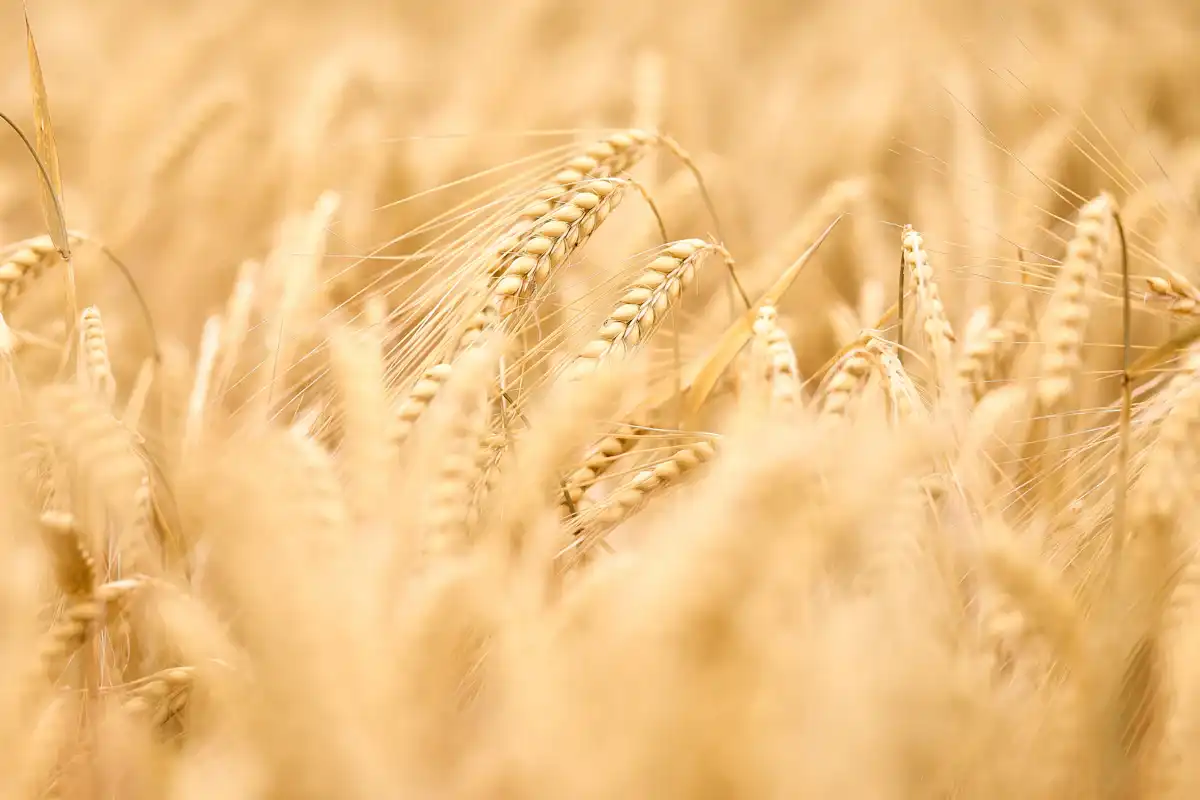
Each Bible verse about reaping what you sow below is quoted from the King James Version, with its reference and a brief explanation.
Be not deceived; God is not mocked: for whatsoever a man soweth, that shall he also reap.
Galatians 6:7 (KJV)
This is the best known Bible verse about reaping what you sow. Paul warns against self-deception: choices have outcomes, and nobody outsmarts the moral order God built. The verse reads as sober truth and as an encouragement to plant carefully, because the harvest will match the seed.
For he that soweth to his flesh shall of the flesh reap corruption; but he that soweth to the Spirit shall of the Spirit reap life everlasting.
Galatians 6:8 (KJV)
Paul now names two fields. Seed sown into selfish appetite produces decay, while seed sown into the Spirit through prayer, obedience and love produces lasting life. The question is less about one big decision and more about where we invest daily time and attention. That is the second half of the best known Bible verse about reaping what you sow.
And let us not be weary in well doing: for in due season we shall reap, if we faint not.
Galatians 6:9 (KJV)
Harvest takes time, and this verse speaks to the stretch in the middle when nothing seems to be growing. The promise is for due season, God’s timing rather than ours, and the condition is simple: keep going. It is a favorite for anyone tired of doing right. Patience is the quiet lesson of this Bible verse about reaping what you sow.
But this I say, He which soweth sparingly shall reap also sparingly; and he which soweth bountifully shall reap also bountifully.
2 Corinthians 9:6 (KJV)
Paul applies the farm image to generosity. A farmer who hoards seed gets a thin crop, and one who scatters it widely gets a full field. The verse invites open-handed giving and trusts God to supply, without turning generosity into a transaction. This Bible verse about reaping what you sow applies the principle to generosity.
Every man according as he purposeth in his heart, so let him give; not grudgingly, or of necessity: for God loveth a cheerful giver.
2 Corinthians 9:7 (KJV)
The next verse protects the principle from abuse. The seed God honors is given freely and gladly, not squeezed out by guilt or pressure. Motive matters as much as amount, so this verse keeps sowing tied to a willing heart instead of a bargain. It guards every Bible verse about reaping what you sow from becoming a threat.
Sow to yourselves in righteousness, reap in mercy; break up your fallow ground: for it is time to seek the LORD, till he come and rain righteousness upon you.
Hosea 10:12 (KJV)
Hosea calls a drifting people to prepare hard, unused soil before planting. Fallow ground is a heart left idle, and the prophet says the time to break it up is now. Righteousness sown with seeking is met with mercy and rain from heaven. This Bible verse about reaping what you sow begins with preparation.
For they have sown the wind, and they shall reap the whirlwind: it hath no stalk: the bud shall yield no meal: if so be it yield, the strangers shall swallow it up.
Hosea 8:7 (KJV)
This is the dark side of the harvest. Empty, careless living is like scattering wind, and the return is far larger and wilder than the seed. The prophet shows that foolish choices tend to grow into consequences bigger than anyone planned. It is a sobering Bible verse about reaping what you sow.
They that sow in tears shall reap in joy.
Psalms 126:5 (KJV)
Not all sowing feels good. Some of it is done through grief, loss or hard labor, and this short line promises that the tears are not wasted. God turns faithful work offered in sorrow into a later season of gladness, which is why it comforts many readers. A Bible verse about reaping what you sow like this one is honest about tears.
He that goeth forth and weepeth, bearing precious seed, shall doubtless come again with rejoicing, bringing his sheaves with him.
Psalms 126:6 (KJV)
The picture is a worker walking out with precious seed and walking home with armfuls of grain. The word doubtless gives confidence that the story ends well. For anyone sowing kindness, prayer or patience in hard soil, this verse offers steady hope. This Bible verse about reaping what you sow is full of hope.
He that soweth iniquity shall reap vanity: and the rod of his anger shall fail.
Proverbs 22:8 (KJV)
Wrongdoing promises a lot and delivers emptiness. Vanity here means something hollow and passing, and the power gained through anger eventually breaks down. The proverb gives a clear and practical reason to avoid injustice and cruelty, since both fail to produce what they promise. It is a plain Bible verse about reaping what you sow in the book of Proverbs.
Even as I have seen, they that plow iniquity, and sow wickedness, reap the same.
Job 4:8 (KJV)
Eliphaz speaks these words, and the book of Job later shows that his application was too simple. As a general observation, the line still stands: wickedness tends to produce more wickedness. Read it with care, because not every hardship is a harvest of personal sin. Treat it as a Bible verse about reaping what you sow with care, since the speaker is mistaken in places.
The wicked worketh a deceitful work: but to him that soweth righteousness shall be a sure reward.
Proverbs 11:18 (KJV)
A deceitful work pays out quickly and then disappears, but righteousness gives a reward that holds. The word sure suggests a harvest that cannot be taken away. This proverb encourages people who feel that honest living is losing ground to shortcuts. This Bible verse about reaping what you sow compares two kinds of wages.
He that observeth the wind shall not sow; and he that regardeth the clouds shall not reap.
Ecclesiastes 11:4 (KJV)
Waiting for perfect conditions can turn into never starting at all. The Preacher warns that a farmer who studies every cloud will miss the planting window. Sowing involves some risk, and this verse pushes us to act in faith instead of stalling. An active Bible verse about reaping what you sow tells us to start now.
In the morning sow thy seed, and in the evening withhold not thine hand: for thou knowest not whether shall prosper either this or that, or whether they both shall be alike good.
Ecclesiastes 11:6 (KJV)
Since we cannot know which seed will thrive, the wise course is to sow widely and keep sowing. Morning and evening both count. The verse is a reminder that faithful, repeated effort beats anxious calculation, and that results are finally in God’s hands. This Bible verse about reaping what you sow advises generosity in all directions.
There is that scattereth, and yet increaseth; and there is that withholdeth more than is meet, but it tendeth to poverty.
Proverbs 11:24 (KJV)
This proverb sounds backward at first. Scattering seed seems to reduce what you have, yet it is how a crop begins. Hoarding feels safe but tends toward lack. Read with the surrounding verses, it ties generous sowing to a richer life in the fullest sense. It is a surprising Bible verse about reaping what you sow in Proverbs.
Give, and it shall be given unto you; good measure, pressed down, and shaken together, and running over, shall men give into your bosom. For with the same measure that ye mete withal it shall be measured to you again.
Luke 6:38 (KJV)
Jesus uses a grain merchant filling a container until it overflows. The standard we use with others becomes the standard we receive. This is a Bible verse about reaping what you sow in relationships: mercy, giving and judgment tend to come back in kind. Jesus gives a Bible verse about reaping what you sow with a market scene.
And herein is that saying true, One soweth, and another reapeth.
John 4:37 (KJV)
Jesus says this at the well in Samaria, with a crop of new believers coming. Sowing and reaping are often done by different people. The verse frees us from needing to see every result and invites us to value work whose harvest others may gather. This Bible verse about reaping what you sow includes a joyful picture of shared reward.
And the fruit of righteousness is sown in peace of them that make peace.
James 3:18 (KJV)
James adds an unexpected detail: peace itself is a seed. Those who work for reconciliation plant something that grows into righteous fruit. The verse shows that how we sow, quietly and without strife, shapes what kind of harvest comes up. Peace is the harvest in this Bible verse about reaping what you sow.
The liberal soul shall be made fat: and he that watereth shall be watered also himself.
Proverbs 11:25 (KJV)
The old wording means that a generous person will be enriched, and one who refreshes others will be refreshed. Watering is care for someone else’s growing seed. The proverb says that kindness does not leave the giver dry but quietly returns. It is a generous Bible verse about reaping what you sow.
I have planted, Apollos watered; but God gave the increase.
1 Corinthians 3:6 (KJV)
Here Paul keeps the harvest in perspective. Humans plant and water, but only God makes things grow. This protects us from both pride and despair: we do our part faithfully, and the outcome rests with the one who gives increase. This Bible verse about reaping what you sow keeps the harvest in perspective.
A Bible verse about reaping what you sow describes a pattern of cause and effect built into the way life works. Seed goes into the ground, time passes, and a crop appears that matches what was planted. Scripture borrows this picture because everyone in the ancient world understood it. Nobody planted barley and expected wheat, and nobody expected a harvest the same week.
The principle covers more than money or luck. It describes habits, words, loyalties and attitudes. A person who plants honesty slowly builds trust, and a person who plants bitterness slowly builds isolation. These outcomes rarely arrive on the same day as the choice, which is why the picture of seed and harvest fits so well: the result is real but delayed.
It is also worth saying what the principle is not. It is not a vending machine where a good deed produces a guaranteed reward on demand, and it is not a claim that every bad event is punishment. It is a broad truth about how God ordered the world, taught by prophets, sages and apostles to help people live wisely. No Bible verse about reaping what you sow is more connected to daily life.
The most quoted Bible verse about reaping what you sow opens with a warning: Be not deceived; God is not mocked. Paul expects that people will try to believe otherwise, telling themselves that a small compromise will cost nothing or that private choices have no public effects. The verse cuts through that comfortable story with a plain statement of how things work.
To mock God would be to act as if his order could be ignored without consequence. Paul says that is a mistake, since whatsoever a man soweth, that shall he also reap. The word whatsoever covers everything, the helpful and the harmful, the visible and the hidden. Nothing planted is lost, and nothing is planted without return.
Read in its setting, the verse is not meant to frighten readers who are trying to follow Christ. It sits in a passage about helping each other carry burdens and about gentle restoration of those who fall. The warning is a loving one, meant to wake us up before a harvest we do not want grows from seed we did not think about. It is the most quoted Bible verse about reaping what you sow.
Right after the warning, Paul describes two fields in verse 8. One person sows to the flesh and reaps corruption, while another sows to the Spirit and reaps life everlasting. The flesh in Paul’s writing means the self-centered way of living, where comfort and desire decide everything. Corruption is the natural result, a slow rot of relationships and character.
Sowing to the Spirit is the opposite investment. It means putting time into prayer, Scripture, worship, service and fellowship, and following the Spirit’s leading in daily decisions. These are small seeds, and they rarely look impressive when planted. Yet over years they grow into peace, wisdom and a sturdy faith that does not collapse under pressure.
A helpful way to apply this Bible verse about reaping what you sow is to ask where your time and attention are really going. Most of us sow into both fields during the same week. The aim is not perfection but direction, shifting more of our limited seed toward the field that produces life, and doing it again tomorrow. This is where a Bible verse about reaping what you sow becomes personal.
Galatians 6:9 is where many readers find the gentlest side of this teaching. Paul says, let us not be weary in well doing, because in due season we shall reap, if we faint not. He is writing to people who already suspect that doing good costs more than it pays. The verse does not deny the weariness. It names it and offers a reason to continue.
Notice the phrase due season. Crops cannot be hurried, and any farmer knows that the weeks between planting and harvest feel the longest. Paul asks believers to trust that God has a right time for the results of faithful living, and that the time is not the same for every seed. Some fruit comes within weeks, and some takes decades.
For anyone caring for a sick relative, praying for a wayward child or working quietly at an unseen task, this verse is practical fuel. It asks you to keep sowing even when you cannot see growth. If you need further encouragement for the long haul, the collection of Bible verses about not giving up pairs well with it. It balances the warning with encouragement in the same Bible verse about reaping what you sow.
Another well loved Bible verse about reaping what you sow is found in 2 Corinthians 9:6, where Paul applies the idea to giving. He was collecting a gift for struggling believers in Jerusalem and wanted the Corinthians to give freely. His illustration is simple: he who soweth sparingly shall reap also sparingly, and he who soweth bountifully shall reap also bountifully.
The logic is agricultural. Seed held back in the barn produces nothing, while seed scattered across the field has a chance to multiply. Paul does not guarantee a particular payoff in cash. He speaks of a harvest of blessing, thanksgiving to God and meeting needs, and he promises that God is able to make all grace abound toward the giver.
This verse sits comfortably beside other teaching on open-handed living. If you want to study giving in more depth, the pages on Bible verses about generosity and giving to others explore many related passages, from the Law and the Proverbs to the life of the early church. Another well loved Bible verse about reaping what you sow is Hosea 10:12.
Verse 7 follows right behind, and it matters because it prevents a common misreading. God loveth a cheerful giver, Paul says, and giving should not come grudgingly or of necessity. If sowing were only a method for getting more, the motive would be selfish and the seed would be tainted from the start. Scripture insists that the heart behind the gift counts.
This means a Bible verse about reaping what you sow should never be turned into a scheme. Giving in order to manipulate God, or to impress people, misses the point. True sowing begins with trust that God owns everything and with real love for the person receiving. The harvest is God’s to decide, and often it appears in forms we did not expect.
Practically, cheerful giving is planned and thoughtful. Paul says every man should give according as he purposeth in his heart, which suggests decisions made in prayer rather than under pressure. A modest gift offered gladly is worth more than a large one given with resentment, and God sees the difference. It is a Bible verse about reaping what you sow with a hidden reminder of God’s grace.
Hosea 10:12 is a rich Bible verse about reaping what you sow because it adds a step many people skip: preparing the soil. The prophet says to sow in righteousness, reap in mercy, and break up your fallow ground. Fallow land is plowed field left unused, grown over with weeds and packed hard, and it will not take seed until it is worked again.
The picture describes a heart gone dull. People can drift into routines where prayer feels empty and Scripture feels flat, not because of any dramatic sin but because the ground has been left alone. Hosea says it is time to seek the LORD, and the breaking up is an act of repentance, honesty and fresh attention.
The promise at the end is generous: God will come and rain righteousness upon those who seek him. Seed still needs rain, and rain is a gift. The farmer prepares and plants, but heaven supplies the water. If you feel dry, consider your own fallow ground, and pair this reading with Bible verses about forgiveness for a fresh start. This rich Bible verse about reaping what you sow calls for fresh ground.
Hosea 8:7 gives one of the sharpest versions of the principle: they have sown the wind, and they shall reap the whirlwind. The prophet was speaking to a nation that had trusted idols and political schemes instead of God. Wind is empty and gives nothing to hold, yet the harvest from it is a violent storm, much larger than the seed.
The image teaches that consequences often multiply. A small lie can grow into a tangled web, and a small resentment can grow into a broken family. Few people set out to create a whirlwind. They simply plant something empty, repeat it, and later find themselves in a storm that began as a breeze.
This should be read with sober wisdom rather than fear. The same prophet pleads with the people to return and promises that God can heal what has been broken. A warning is a mercy, because it lets us change what we are planting while there is still time for a better crop to grow from better seed. It is a hard Bible verse about reaping what you sow.
Psalm 126 is a Bible verse about reaping what you sow for people in pain. They that sow in tears shall reap in joy, the psalmist writes, and the next verse describes the one who goes forth weeping with precious seed and returns with rejoicing, carrying sheaves. The psalm was written by people recalling a return from exile, who knew both loss and restoration.
The tears matter. In a farming economy, seed was precious, and planting it in a hungry season was an act of faith, since it meant leaving food in the ground. The workers cried as they planted, yet the psalm says their crying was not the end of the story. The same hands that scattered seed in sorrow later carried grain home.
This verse invites you to keep doing right even when you feel grief. Many people continue to pray, serve and love while carrying private sorrow. The psalm quietly tells them that this faithfulness is seen and that joy is coming. It does not deny the weeping. It promises that weeping is not the last word. This is a tender Bible verse about reaping what you sow in sorrow.
Two verses in the Old Testament show the darker side of the harvest. Proverbs 22:8 says that he who soweth iniquity shall reap vanity, and Job 4:8 says that those who plow iniquity and sow wickedness reap the same. As a Bible verse about reaping what you sow, each warns that evil planted tends to grow into more evil.
Vanity means emptiness. The proverb observes that the cruel, the dishonest and the violent rarely get the lasting satisfaction they chase. Power gained by force tends to be fragile, and wealth gained by deceit tends to be restless. The rod of his anger shall fail, the verse says, which means the tools of intimidation eventually break.
Job 4:8 needs care. Eliphaz uses the principle against Job, assuming that Job’s suffering must be the result of hidden sin. The book of Job later shows that he was wrong. The lesson is to apply this principle to our own choices and not to judge the suffering of others, since many painful things happen for reasons we cannot see. Each Bible verse about reaping what you sow in the Old Testament adds depth.
Proverbs 11 contains a cluster of verses that read like a farmer’s notebook. Verse 18 says to him that soweth righteousness shall be a sure reward. Verse 24 says there is that scattereth, and yet increaseth. Verse 25 says the liberal soul shall be made fat. Together they offer a strong Bible verse about reaping what you sow for those who choose honesty and generosity.
The word sure is important. Deceit pays quickly but cannot be trusted to last, while righteousness grows slowly and cannot be taken away. The reward is not always financial. It can be a clean conscience, a respected name, a trusting marriage, or a quiet inner peace that money cannot buy. These are harvests that last through hardship.
The Proverbs also remind us that integrity is built over many small choices. A person with a reputation for honest dealing did not get it overnight. Anyone who wants to grow in this area can study Bible verses about integrity alongside these proverbs and ask what small, honest acts they can plant this week. Many a Bible verse about reaping what you sow lives in this chapter.
Proverbs 11:24 states a paradox that sits at the center of any Bible verse about reaping what you sow: there is that scattereth, and yet increaseth. Our instinct says that giving away reduces what we have. The farmer knows better. Seed kept in a jar is only seed, but seed scattered in a field becomes a harvest many times its size.
The second half of the verse shows the opposite: there is that withholdeth more than is meet, but it tendeth to poverty. Holding too tightly often brings its own kind of poverty, a fearful and narrow life. A person who cannot share becomes anxious about losing, and anxiety is a heavy crop to reap. Generosity loosens the grip and makes room for trust.
Luke 6:38 extends the picture, promising good measure, pressed down, shaken together and running over. The measure we use toward others is the one returned to us. Readers who want to see how this plays out in daily life may enjoy Bible verses about generosity in giving for more examples of open hands and open hearts. This is a surprising Bible verse about reaping what you sow.
Ecclesiastes 11 offers practical advice on sowing that fits any Bible verse about reaping what you sow. The Preacher says that he who observeth the wind shall not sow, and he who regardeth the clouds shall not reap. Some people wait so long for ideal conditions that the season passes. The advice is to begin even when things feel uncertain.
Fear of failure often keeps good seed in the bag. We hesitate to forgive, to start the business, to apologize, to share the gospel or to invest in a friendship because the outcome is unclear. The Preacher does not deny the uncertainty. He says that you do not know which seed will prosper, so you sow widely and trust that some of it will.
Verse 6 adds that we should sow in the morning and keep our hand busy in the evening. Diligence is a rhythm, not a single burst. For readers who want more on steady effort, the page on Bible verses about hard work shows how Scripture honors patient, faithful labor. This Bible verse about reaping what you sow is practical and honest.
John 4:37 gives a surprising twist to the topic. Jesus says that herein is that saying true, one soweth, and another reapeth. He is speaking after a conversation with a Samaritan woman, when villagers are coming toward him. The disciples are about to gather a harvest they did not plant, and Jesus wants them to value those who came before.
This changes how a Bible verse about reaping what you sow is understood. The sower and the reaper are often different people. A teacher plants an idea in a child who will only bloom years later. A parent prays for decades and a grandchild turns to God. Some who sow never see the harvest in this life, and the work is still worth it.
The verse also brings humility and joy. Jesus says that both he who soweth and he who reapeth may rejoice together. The reaper should remember those who planted, and the sower should trust that the labor was not in vain. It is a reminder that God’s work is a shared effort across generations. It adds a missionary angle to the Bible verse about reaping what you sow.
James 3:18 presents an unexpected corner of this theme: the fruit of righteousness is sown in peace of them that make peace. In the middle of a passage about wisdom and conflict, James treats peace as seed. People who work for reconciliation are planting something that will grow into a righteous harvest, even though the work often feels thankless.
It is easy to think that winning an argument produces results. James suggests that the manner of sowing shapes the crop. Harsh words, jealousy and selfish ambition produce disorder, while gentleness, mercy and impartiality produce good fruit. The attitude in which we plant matters as much as the plan.
For families, churches and workplaces, this verse suggests a simple habit: ask in every disagreement what kind of seed you are about to plant. A calm word, a prompt apology or a refusal to repeat gossip are small seeds. Over time they build a climate in which trust and goodwill grow. See also Bible verses about the fruit of the Spirit. It is a gentle Bible verse about reaping what you sow in peace.
In 1 Corinthians 3:6, Paul says, I have planted, Apollos watered; but God gave the increase. This keeps any Bible verse about reaping what you sow in a healthy balance. Humans do real work, planting and watering, and the work counts. Yet the growth itself is a gift from God, and no farmer can force a seed to sprout by effort alone.
This protects from two errors. One is pride, thinking that results are earned entirely by our skill. The other is despair, thinking that results depend only on us and that failure proves we are worthless. Paul places us as coworkers. We are responsible for faithfulness, while God is responsible for increase.
That balance is freeing. You can plant the best seed you have, water it with prayer and care, and then rest. When the harvest is slow, you are not forced to conclude you failed. For those interested in the planting side of Scripture, Bible verses about planting seeds gives a closer look at the parables and teachings on seed. This Bible verse about reaping what you sow removes pride from the harvest.
Many readers ask whether a Bible verse about reaping what you sow means the same thing as karma. The two ideas sound similar, but they are not identical. Karma, in the traditions that teach it, is an impersonal cosmic ledger that carries across lifetimes. The Bible instead describes a personal God who governs a moral order, who forgives, and who can interrupt a harvest through mercy.
That difference is important. In Scripture the cycle of consequence is not a closed machine. When a person repents, God forgives, and while some natural results may remain, the relationship with God is restored. The cross is the clearest example of mercy meeting the harvest of sin, taking its cost onto himself so that people can start again.
If this question interests you, the dedicated page on Bible verses about karma compares the ideas in more depth. For now, the key point is that the Bible teaches real consequences and real grace together, and neither cancels the other. We take our choices seriously and hope in a merciful God. It helps to remember that a Bible verse about reaping what you sow is a general principle.
A fair question about any Bible verse about reaping what you sow is why some honest people suffer while some dishonest people prosper. Scripture does not hide this problem. Psalm 73 and the book of Job wrestle with it openly. The Bible’s answer is that the principle is a general truth, not a precise formula applied instantly to every life.
Sin has damaged the world, so good people can be hurt by the actions of others, by illness and by accidents. Jesus himself sowed perfect goodness and received suffering. The harvest of his obedience came later, through resurrection and the salvation of many. This shows that some harvests wait beyond the visible horizon of a single life.
For those in a season like this, the encouragement is to keep faith and avoid bitterness. Trust that God sees, remember that the full account is not settled yet, and keep planting. A book like Psalms can help here, and the page on Bible verses about hope gathers verses that sustain people through delayed harvests. Honest readers apply a Bible verse about reaping what you sow with humility.
The principle is easiest to live out in small things. Words are seeds, and a Bible verse about reaping what you sow applies to speech as much as to money. Encouragement planted in a coworker may grow into confidence, while a careless insult may grow into resentment. Proverbs says that death and life are in the power of the tongue.
Habits also work like a field. Ten minutes of daily prayer, repeated for years, shapes a mind and a character. A habit of gratitude grows into contentment. A habit of complaint grows into discontent. Because daily patterns are repeated, they compound, and their harvest is large. This is why small and consistent choices matter more than rare heroic gestures.
Relationships grow in the same way. Showing up for a friend, listening patiently, keeping promises and offering forgiveness are seeds that bear fruit over many seasons. If you want to deepen this area, you might read Bible verses about love and think about what kind of love you are planting in the people closest to you. A Bible verse about reaping what you sow is best lived in small acts.
Almost everyone who reads a Bible verse about reaping what you sow thinks of a field they planted badly. A broken relationship, a financial mistake or a habit that grew out of control can leave us feeling that the harvest cannot be undone. Scripture speaks to this with grace, not only with warning.
God specializes in restoring ground. Joel 2:25 records a promise to restore the years that the locust hath eaten, and Hosea invites a people who sowed the wind to return and be healed. Repentance does not always remove every consequence, but it opens the way for God to bring good from damaged soil and to begin a new planting.
This is where the gospel makes the difference. Paul writes that by grace are we saved, and he teaches that forgiven people are free to sow in the Spirit starting today. You can read more about this gift on the page for Bible verses about grace, and begin sowing again with courage. Every Bible verse about reaping what you sow raises that question.
Knowing a Bible verse about reaping what you sow is useful only if it changes what we do. A good first step is to name the harvest you want. Do you want a peaceful home, a deeper faith, a trusted reputation or freedom from a bad habit? Then ask what seeds produce that crop, and plant them on purpose, even in small amounts.
Next, build routines that protect the planting. Set aside a regular time for prayer and Scripture. Decide in advance how you will give, rather than waiting for pressure. Choose a few people to encourage each week. Keep your promises, even small ones. Repeating simple actions is how seeds become fields, and routine makes faithfulness easier on tired days.
Finally, be patient and prayerful. Offer your work to God, ask him for the increase, and do not measure success by this week’s results. Pray with others who can encourage you when you grow weary. Resources like Bible verses about trusting God can steady your heart while you wait for the due season Paul promised.
After studying every Bible verse about reaping what you sow, three attitudes stand out. The first is seriousness. Our choices matter, and nobody should treat them as meaningless. The second is humility. We are not in control of the harvest, and we are not the only ones sowing. The third is hope, because God promises that faithful sowing will not be wasted.
These attitudes keep us from the extremes. Without seriousness we drift into carelessness, and without humility we become proud of our results. Without hope we give up too early. Scripture holds them together by pointing us to a God who is just, merciful, patient and able to bring increase beyond what we can imagine.
So whether you are sowing tears, generosity, peace or faithful work, keep going. The harvest may come soon or late, in your life or in someone else’s, but it will come in due season. Paul’s words in Galatians still say it best: let us not be weary in well doing, for we shall reap, if we faint not.
If this Bible verse about reaping what you sow has encouraged you, these related pages are a good next step: Bible verses about karma, Bible verses about planting seeds, Bible verses about harvest, Bible verses about generosity, Bible verses about not giving up, Bible verses about perseverance, Bible verses about patience in waiting, Bible verses about blessings, Bible verses about wisdom, Bible verses about obedience, Bible verses about encouragement.
To study these verses in more depth, try Bible Gateway, Bible Hub, Bible Study Tools, Blue Letter Bible.
The main Bible verse about reaping what you sow is Galatians 6:7, which says that whatsoever a man soweth, that shall he also reap. Paul warns that God is not mocked, meaning our choices carry real results. Verses 8 and 9 of the same chapter add the Spirit and the promise of due season. Many also treat it as the first Bible verse about reaping what you sow they memorized.
No. The principle works in both directions. Galatians 6:8 contrasts reaping corruption with reaping life everlasting, and Psalm 126:5 promises joy to those who sow in tears. Good seeds such as honesty, generosity and peace also grow, though their harvest often takes longer to appear than the harvest of careless choices.
Not exactly. Karma is usually described as an impersonal ledger across lifetimes, while the Bible presents a personal and merciful God who governs a moral order. Scripture teaches real consequences but also forgiveness through repentance, so grace can restore ground that poor choices damaged.
Scripture says harvest comes in due season, which means God’s timing rather than ours. Some results appear quickly, while others take years or even come after we are gone, as John 4:37 suggests. The best response is patience and steady faithfulness, as Galatians 6:9 encourages believers.
Paul promises that generous sowing leads to a bountiful harvest, but he describes it mainly as grace, thanksgiving and needs met, not a guaranteed payout. Verse 7 adds that giving must be cheerful and not forced. Treat it as an invitation to trust God, not as a scheme to get rich.
The Bible admits this puzzle in Job and Psalm 73. Reaping is a general principle, not an instant formula, and suffering has many causes in a broken world. Jesus himself sowed goodness and suffered first before the harvest came. Keep faith, avoid bitterness and trust that God sees the whole account.