
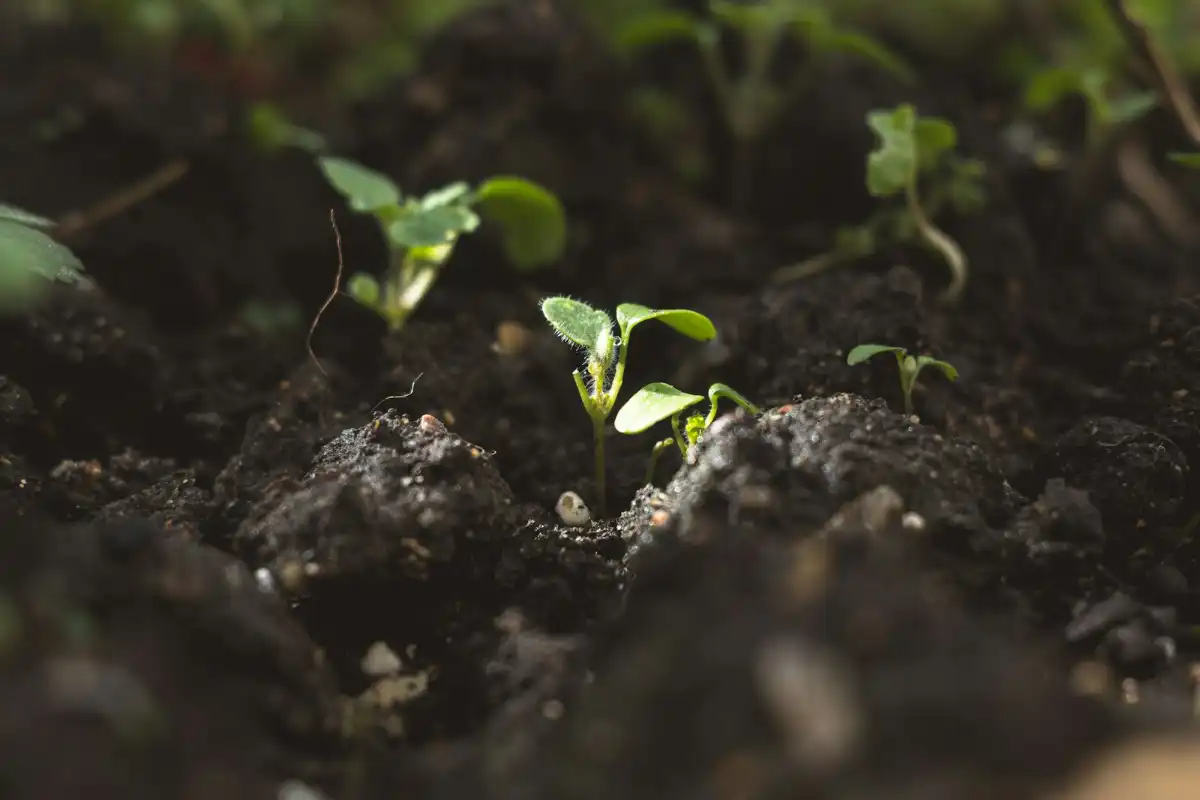
Each Bible verse about sowing seeds below is quoted from the King James Version, followed by a short note on how to apply it.
Be not deceived; God is not mocked: for whatsoever a man soweth, that shall he also reap.
Galatians 6:7 (KJV)
Paul states the farmer’s law as a spiritual principle: what you scatter is what comes up. No one tricks the harvest. This Bible verse about sowing seeds invites an honest look at the habits, words and choices you are planting right now.
And let us not be weary in well doing: for in due season we shall reap, if we faint not.
Galatians 6:9 (KJV)
A Bible verse about sowing seeds reminds us that seeds do not sprout on the day they are planted. Paul urges steady goodness because the harvest has its own season. The key phrase is due season, a reminder that God’s timing, not ours, sets the date of the reaping.
But this I say, He which soweth sparingly shall reap also sparingly; and he which soweth bountifully shall reap also bountifully.
2 Corinthians 9:6 (KJV)
Writing about giving, Paul uses a simple farm picture: a farmer who holds back seed expects a thin crop. This Bible verse about sowing seeds encourages open-handed generosity as an act of trust rather than a calculation of return.
Now he that ministereth seed to the sower both minister bread for your food, and multiply your seed sown, and increase the fruits of your righteousness;
2 Corinthians 9:10 (KJV)
In this Bible verse about sowing seeds, notice who supplies the seed in the first place. God gives it to the sower, turns the harvest into bread and then multiplies what was sown. We are stewards of seed that was never ours to begin with.
They that sow in tears shall reap in joy.
Psalms 126:5 (KJV)
Some planting is done with heavy hearts, in grief or hardship. This short Bible verse about sowing seeds promises that tears are not wasted. Work done faithfully through sorrow can still end in rejoicing, and many readers hold this verse close in hard seasons.
He that goeth forth and weepeth, bearing precious seed, shall doubtless come again with rejoicing, bringing his sheaves with him.
Psalms 126:6 (KJV)
In this Bible verse about sowing seeds, the seed is called precious because in poor times every grain counted. The picture is of someone who goes out anyway, carrying what little they have, and returns carrying armfuls. Faithful obedience is never as small as it feels.
In the morning sow thy seed, and in the evening withhold not thine hand: for thou knowest not whether shall prosper, either this or that, or whether they both shall be alike good.
Ecclesiastes 11:6 (KJV)
In this Bible verse about sowing seeds, the Preacher advises diligence without anxiety. Since we cannot predict which effort will flourish, we keep sowing from morning to evening and leave the results with God. It is a cure for both laziness and perfectionism.
And he spake many things unto them in parables, saying, Behold, a sower went forth to sow;
Matthew 13:3 (KJV)
This is the opening of the best known Bible verse about sowing seeds in the Gospels. Jesus chose a scene his listeners knew well, a farmer scattering grain, to teach how people respond to the message of the kingdom.
But other fell into good ground, and brought forth fruit, some an hundredfold, some sixtyfold, some thirtyfold.
Matthew 13:8 (KJV)
In this Bible verse about sowing seeds, good soil produces, and the yields differ: thirty, sixty, a hundred. Jesus does not demand identical results from every believer. He looks for real fruit, and the amount varies with the life God has given each of us.
The sower soweth the word.
Mark 4:14 (KJV)
Jesus explains his own parable in four words. The seed is a message, not a mere habit or a gift of money. Anyone who shares the word, whether from a pulpit or a kitchen table, is taking part in this sowing.
Now the parable is this: The seed is the word of God.
Luke 8:11 (KJV)
Luke records the same explanation plainly. Because the seed is God’s word, it carries life inside itself. Our task is to scatter it faithfully and to prepare the soil of our own hearts to receive it.
And he said, So is the kingdom of God, as if a man should cast seed into the ground; And should sleep, and rise night and day, and the seed should spring and grow up, he knoweth not how.
Mark 4:26-27 (KJV)
In this Bible verse about sowing seeds the farmer sleeps and rises while the seed quietly grows. The comfort is that growth does not depend on our constant control. After we have done our part, God works in ways we cannot see or explain.
I have planted, Apollos watered; but God gave the increase.
1 Corinthians 3:6 (KJV)
In this Bible verse about sowing seeds, Paul describes ministry as teamwork in a field. One person plants, another waters, and only God makes the seed grow. This keeps us humble about success and hopeful about work that seems unfinished.
Sow to yourselves in righteousness, reap in mercy; break up your fallow ground: for it is time to seek the LORD, till he come and rain righteousness upon you.
Hosea 10:12 (KJV)
Fallow ground is land left hard and unplanted. The prophet calls people to break it open before sowing. Spiritual growth often begins with softening a stubborn heart, then planting righteousness and waiting for God’s rain.
The wicked worketh a deceitful work: but to him that soweth righteousness shall be a sure reward.
Proverbs 11:18 (KJV)
Wealth gained by deceit proves empty, while the person who plants righteousness gets a reward that holds. This Bible verse about sowing seeds reassures anyone who chooses honesty when cutting corners would be easier and faster.
And the fruit of righteousness is sown in peace of them that make peace.
James 3:18 (KJV)
James adds that peacemaking is a kind of sowing. Gentle words, patience and reconciliation are seeds that eventually bear righteous fruit, in families, churches and workplaces alike.
For he that soweth to his flesh shall of the flesh reap corruption; but he that soweth to the Spirit shall of the Spirit reap life everlasting.
Galatians 6:8 (KJV)
Every day we decide where our seed goes. Planting only for appetite and comfort ends in decay, while planting for the Spirit through prayer, scripture and love leads toward lasting life. The field you tend shapes the harvest.
So shall my word be that goeth forth out of my mouth: it shall not return unto me void, but it shall accomplish that which I please, and it shall prosper in the thing whereto I sent it.
Isaiah 55:11 (KJV)
God compares his word to rain and snow that water the earth and make it bud. This Bible verse about sowing seeds gives courage to anyone who shares scripture without seeing immediate results. The word will do its work in its own time.
Verily, verily, I say unto you, Except a corn of wheat fall into the ground and die, it abideth alone: but if it die, it bringeth forth much fruit.
John 12:24 (KJV)
In this Bible verse about sowing seeds Jesus points to his own coming death and to a principle of life. A seed must be buried to multiply. Sacrifice, whether small or great, can become the soil from which abundant fruit eventually rises.
Farming was the daily reality for most people in the Bible, so it is no surprise that a Bible verse about sowing seeds appears from Genesis to Revelation. Seed, soil, rain and harvest gave writers a language everyone understood. When Jesus or Paul spoke about sowing, no one needed a lecture on agriculture to catch the point.
The picture usually carries three lessons at once. First, effort matters, because a field left unplanted yields nothing. Second, results are not instant, since seed spends time hidden underground. Third, the outcome belongs ultimately to God, who sends sun and rain. Holding all three together keeps us active, patient and humble.
As you read each Bible verse about sowing seeds above, notice which lesson speaks loudest to you today. A tired worker may need the promise of due season, while a generous giver may need reassurance that open hands are not foolish. Scripture offers a different seed for each field.
The most famous Bible verse about sowing seeds begins the parable of the sower, told in Matthew 13, Mark 4 and Luke 8. A farmer goes out and scatters seed in an unhurried, generous way. Some lands on the path, some on rocky ground, some among thorns, and some on good soil.
What stands out in this Bible verse about sowing seeds is how freely the sower scatters. He does not measure the field first or withhold seed from unpromising ground. Many readers see in this the generosity of God, who offers his word widely, and an example for believers who are tempted to share only with people who seem receptive.
Jesus later explains the story privately to his disciples. The seed is the word, and the soils are the different ways hearts receive it. The parable is therefore less about farming than about listening, and it quietly asks every reader the same question: what kind of ground am I?
Jesus is direct about the meaning of the seed in this Bible verse about sowing seeds. In Mark 4:14 the sower sows the word, and in Luke 8:11 the seed is the word of God. A seed contains a complete plant in compact form, and in the same way scripture carries life, direction and power far beyond its small size.
This is why a single Bible verse about sowing seeds, or any verse, can change a day or even a decade. A line read in a quiet moment may lodge in the heart and sprout years later in a decision, a comfort or an act of forgiveness. You rarely see the whole growth at the start.
If you want to go deeper into this theme, our collection of Bible verses about the word of God shows how scripture describes its own power. Reading widely fills your hands with seed, and you cannot sow what you have not first received.
In this Bible verse about sowing seeds, the path represents hearers who do not understand, and the enemy snatches the seed away. Rocky ground stands for people who receive the word with joy but have no root, so trouble withers them quickly. Thorny ground describes lives so crowded with cares and riches that the word is choked.
Good soil hears, understands and bears fruit. Yet good soil is not naturally perfect. Hosea speaks of breaking up fallow ground, which suggests that soil can be prepared. Prayer, repentance, attentive reading and honest community all loosen the earth so the word can sink in.
A helpful practice is to reread this Bible verse about sowing seeds once a month and ask which soil describes you right now. Seasons change. You may be thorny during a busy year and rocky during a crisis. Naming your condition honestly is the first step toward becoming good ground again.
Paul applies the farm picture to money and kindness in 2 Corinthians 9. Sowing bountifully means giving cheerfully and freely, trusting that God supplies what is needed. This Bible verse about sowing seeds is often quoted at offering time, but it applies just as well to time, attention and encouragement.
Notice that Paul never promises, in this Bible verse about sowing seeds, a formula in which a gift is multiplied on demand. He promises that God provides seed to the sower and enlarges the fruits of righteousness. The harvest he has in mind is mostly thanksgiving, strengthened faith and meeting needs, not simply a bigger bank account.
For more on this, see our page on Bible verses about generosity. Start small if you must: a note to a lonely neighbor, groceries for a family in need, an hour of help. Small, regular seeds often change more than a single dramatic gift.
Psalm 126 is a song of people who have come home from exile, and it contains one of the most tender versions of a Bible verse about sowing seeds. They sow in tears and reap in joy. The psalm admits that planting can be a sorrowful task when circumstances are hard.
This Bible verse about sowing seeds matters because many believers feel guilty for not being cheerful while they serve. The psalm gives permission to weep and work at once. God does not require emotional perfection before he blesses faithful effort, and he is able to turn mourning into harvest songs.
If you are in a difficult season, pair this psalm with our page on Bible verses about hope in hard times. Keep scattering seed in whatever small ways you can, trusting that the weeping season is not the final season.
The gap between sowing and reaping is where most people struggle. Galatians 6:9 warns against growing weary in well doing, because the harvest comes in due season. A Bible verse about sowing seeds is therefore also a Bible verse about waiting, and waiting is a spiritual discipline in its own right.
James uses the same picture, saying the farmer waits for the precious fruit of the earth and has long patience for it. Underground, nothing seems to happen, yet roots are forming. Many of the most important changes in character, family and ministry happen out of sight for a long time.
Our page on Bible verses about patience offers more help for this stretch of the journey. When you feel tempted to dig up your seed to check on it, pray instead, and trust that unseen growth is still growth.
In 1 Corinthians 3, a Bible verse about sowing seeds, Paul says he planted, Apollos watered, and God gave the increase. This keeps ministry in perspective. Sowers and waterers are real and valuable, but neither is the source of life. The power that turns a seed into a plant is entirely God’s gift.
That truth lifts two burdens at once. It frees us from pride when something goes well, because we did not cause the growth. It also frees us from despair when results are slow, because the outcome never rested on our cleverness. Our job is faithfulness, and God’s job is fruitfulness.
Parents, teachers, pastors and friends can all take heart here. The conversation that seemed to fall flat, the lesson that seemed ignored, the prayer that seemed unanswered may all be seed in the ground. Keep sowing and leave the increase with God.
When Jesus says the sower sows the word, he describes the work of every believer who shares the good news. A Bible verse about sowing seeds is often a first lesson in evangelism, because it shows that the sower is responsible for scattering, while the Spirit is responsible for results.
This Bible verse about sowing seeds takes enormous pressure off conversations about faith. You are not required to produce a conversion, only to speak truthfully and kindly. Some people will respond quickly, and many will not yet. Even then, a seed may be planted that someone else will water years later.
To grow in this area, explore Bible verses about sharing the gospel and Bible verses about evangelism. Both pages encourage ordinary believers to speak up with courage, gentleness and respect.
Galatians 6:8 sets two fields side by side. Sowing to the flesh means investing in self-indulgence and short-term pleasure, and its harvest is corruption. Sowing to the Spirit means investing in prayer, scripture, love and obedience, and its harvest is life everlasting. The Bible verse about sowing seeds here is a call to choose carefully.
The choices behind a Bible verse about sowing seeds are often very small. What you watch, what you say about others, how you spend the first ten minutes of a day, and whom you spend time with are all handfuls of seed. None looks dramatic in the moment, but over years they decide what grows in your life.
Our page on Bible verses about spiritual growth pairs well with this passage. Ask each evening: where did I scatter seed today, and what do I expect to come up from it?
Proverbs 11:18 and James 3:18 each give a Bible verse about sowing seeds about righteousness and peace. A righteous life is not only about private virtue, it is a seed that benefits others. Honest business, faithful marriages, and fair treatment of employees all plant something good into the community around you.
James adds that the fruit of righteousness is sown in peace by those who make peace. Peacemaking is not passivity. It means choosing the patient word, seeking reconciliation and refusing to feed quarrels. Such sowing seldom wins quick applause, but it produces gentle, lasting fruit.
When conflict arises at home or work, treat it as a field. A Bible verse about sowing seeds of peace reminds you that every response either plants bitterness or plants something that can later be harvested as trust.
Hosea 10:12 is a Bible verse about sowing seeds with a strong image: break up your fallow ground. Fallow ground is hard, unworked earth where seed cannot take root. The prophet tells the people that it is time to seek the Lord, and that God will rain righteousness once the ground has been opened.
For many of us, the hard ground is habit, pride, unforgiveness or distraction. We may keep hearing good sermons and reading a good Bible verse about sowing seeds, yet nothing sprouts because the surface is packed down. Confession and honest prayer work like a plow, turning over what has become hard.
Spend a few quiet minutes asking God where your heart has become compacted. Then take one concrete step, such as an apology, a fast from something noisy, or a daily reading plan. Preparing the soil is part of sowing.
Jesus gives a surprising twist in John 12:24. A grain of wheat that stays safe in the barn stays alone, but a grain that falls into the ground and dies produces much fruit. This Bible verse about sowing seeds points first to his own sacrifice on the cross and then to the pattern of his followers.
Sacrifice can feel like loss. Giving up time, comfort or reputation for the sake of others looks like burying something valuable. Yet Jesus says the buried seed is exactly what multiplies. The fruit of a surrendered life often reaches farther than a protected one.
If you feel hidden or overlooked in your service, remember that seeds do their work underground. Faithful, quiet obedience is never wasted. The harvest from a life laid down may appear long after you are gone, and may include people you never meet.
Sowing is only the beginning. Jesus speaks about good soil bringing forth fruit, and the New Testament lists fruit such as love, joy, peace, patience and kindness. A Bible verse about sowing seeds naturally leads to the question of what should grow once the word has taken root.
A Bible verse about sowing seeds teaches that fruit is not produced by straining. A branch bears fruit by staying connected to the vine, and a plant bears fruit by staying in good soil and sun. In the same way, believers bear fruit by staying near Christ through prayer, scripture and fellowship, not by anxious self-improvement.
Our page on Bible verses about bearing fruit explores this theme in more detail. Check regularly whether your life shows the qualities the word is meant to produce, and welcome gentle correction when it does not.
Parents and grandparents are among the busiest sowers in the world. Every bedtime prayer, shared meal, apology and Bible story is seed. A Bible verse about sowing seeds helps families remember that character is built slowly, and that most of what children carry into adulthood was planted in ordinary moments.
It also helps to remember that you cannot force growth. Children, like crops, grow in their own time. You can prepare the soil with love, consistency and a home where questions are welcome, but you cannot decide how and when faith will bloom in another heart.
If your child seems unresponsive, keep sowing, as every Bible verse about sowing seeds encourages. Many adults trace their faith back to a hymn, a phrase or a habit their parents planted decades earlier. Pray for them by name, and read Bible verses about prayer for encouragement to keep asking.
Planting a seed is an act of faith. The farmer buries good grain in the dark and trusts that something will come up. Ecclesiastes 11:6 adds that we do not know which sowing will prosper, so we keep at it morning and evening. This Bible verse about sowing seeds teaches active trust.
Faith in a Bible verse about sowing seeds is not wishful thinking but practical obedience. You give before you see the need met, forgive before you feel it, and serve before you see the result. Each act is a seed placed in the soil of God’s promises.
If trust feels hard right now, visit our page on Bible verses about trusting God and Bible verses about growing in faith. Small seeds of trust grow into a sturdy tree over time.
In Mark 4:26-28, Jesus offers a lesser known Bible verse about sowing seeds. A man scatters seed and then goes about his daily life. The seed sprouts and grows, and he does not understand how. The earth bears fruit by itself, first the blade, then the ear, then the full grain in the ear.
This gentle story balances the urgency of the sower parable. Alongside the call to scatter seed, it reminds us that God’s kingdom advances through quiet processes beyond our measuring. We do not need to stay awake all night watching the soil. We can sleep and rise, knowing that the seed is alive.
For more on this theme, see our collection of kingdom of God Bible verses. A Bible verse about sowing seeds like this one gives rest to anxious workers who feel they must control every outcome.
Many believers hesitate to sow because they feel they have little to offer. They are not trained speakers, they lack money, or they worry about their past. The Bible verse about sowing seeds in Psalm 126 speaks of precious seed, and the word precious suggests that even a small handful matters to God.
Think of the people Jesus chose. Fishermen, a tax collector and ordinary families scattered the word across the known world. The seed itself held the power, not the sower. What you can offer today, a kind sentence, a prayer, a short verse sent to a friend, is a genuine act of sowing.
Do not wait for a perfect platform or a perfect season. Ecclesiastes tells us to sow in the morning and again in the evening. Begin with what is in your hand, and let God decide how far it travels. Faithfulness in small things is exactly how large harvests begin.
Today the field for a Bible verse about sowing seeds includes text messages, social feeds and workplace chats. A thoughtful verse shared at the right moment can reach someone in a way a sermon never could. Treat each message as a handful of seed: scatter it kindly, without pressure, and without expecting an immediate reply.
Be careful that what you sow online is worth growing. Angry arguments and careless gossip also take root. Paul’s contrast between sowing to the flesh and sowing to the Spirit applies to every post, comment and reply. Ask before you send whether the words will encourage growth or choke it.
A short, honest word of hope often does more than a long debate. Share a Bible verse about sowing seeds with someone who is discouraged in their work, and add a sentence of your own about why it helped you. Personal witness gives the seed good soil to land in.
Begin with your own field. Choose one verse from this page and read it every morning for a week, letting it settle in. Then identify one area of life where you are not currently sowing, such as encouragement, generosity, prayer for a neighbor, or time with a family member, and plant one small act there each day.
Next, share a seed with someone else. Send a verse to a friend who is struggling, invite a neighbor to a meal, or mentor a younger believer. Keep a short journal of what you plant. Looking back months later, you will see growth you could not have noticed day by day.
Finally, be patient with the process. Pray for the people and projects you are sowing into, release the outcome, and stay faithful. Our pages on Bible verses about planting seeds and reaping what you sow continue the conversation from other angles.
Does sowing guarantee a harvest of the same kind? The Bible says we reap what we sow, but it also says God gives the increase, so the harvest is not a mechanical payoff. It is better to think of sowing as a faithful act with real consequences, held in the hands of a good and wise God.
What if I sow and see nothing? Scripture honestly acknowledges seasons of tears and waiting. Ecclesiastes says we do not know which effort will prosper, so we keep going. A Bible verse about sowing seeds does not promise instant results, but it promises that faithful work in the Lord is not in vain.
What if I have sowed badly in the past? Hosea invites people to break up fallow ground and seek the Lord. Past choices have consequences, yet God is merciful and able to begin new growth. Today’s seed can start a different harvest, and you can pair it with our page on Bible verses about harvest.
If this Bible verse about sowing seeds spoke to you, these related pages are a good next step: Bible Verses About Planting Seeds, Bible Verse About Reaping What You Sow, Bible Verses About Harvest, Bible Verses About Bearing Fruit, Bible Verses About the Word of God, Bible Verses About Generosity, Bible Verses About Patience, Bible Verses About Evangelism, Bible Verses About Jesus’ Teachings, Bible Verses About Encouragement.
To study these verses in more depth, try Bible Gateway, Bible Hub, Bible Study Tools, Blue Letter Bible.
Many readers choose a Bible verse about sowing seeds such as Galatians 6:9 or 2 Corinthians 9:6 for generosity and perseverance, while Matthew 13:3 introduces the parable of the sower. The best choice depends on whether you want encouragement to keep working, to give freely, or to understand how hearts receive God’s word.
The seed is the word of God, and the four soils are four ways people respond to it. The path, rocky ground and thorns show obstacles, while good soil hears, understands and bears fruit. The parable invites each reader to examine their own heart honestly.
Sowing seeds spiritually means investing in actions and words that can grow into lasting fruit. This includes sharing scripture, giving generously, praying for others, forgiving and making peace. Each act is a small seed whose full results may not be visible for a long time.
No. Paul uses sowing and reaping for giving in 2 Corinthians 9, but the Bible applies the picture to words, righteousness, peace and the gospel as well. Time, attention, encouragement and obedience are all seed that a believer can scatter for the good of others.
Seeds need time underground before anything appears. Galatians 6:9 speaks of due season, and Mark 4 describes growth happening quietly while the farmer sleeps. Scripture treats delay as normal and asks believers to keep doing good without growing weary, trusting God’s timing.
Paul says one plants, another waters, and God gives the increase. Your responsibility is faithful sowing, not producing a response. Isaiah 55:11 promises that God’s word will not return empty, so a seed planted today may bear fruit later through another person.