
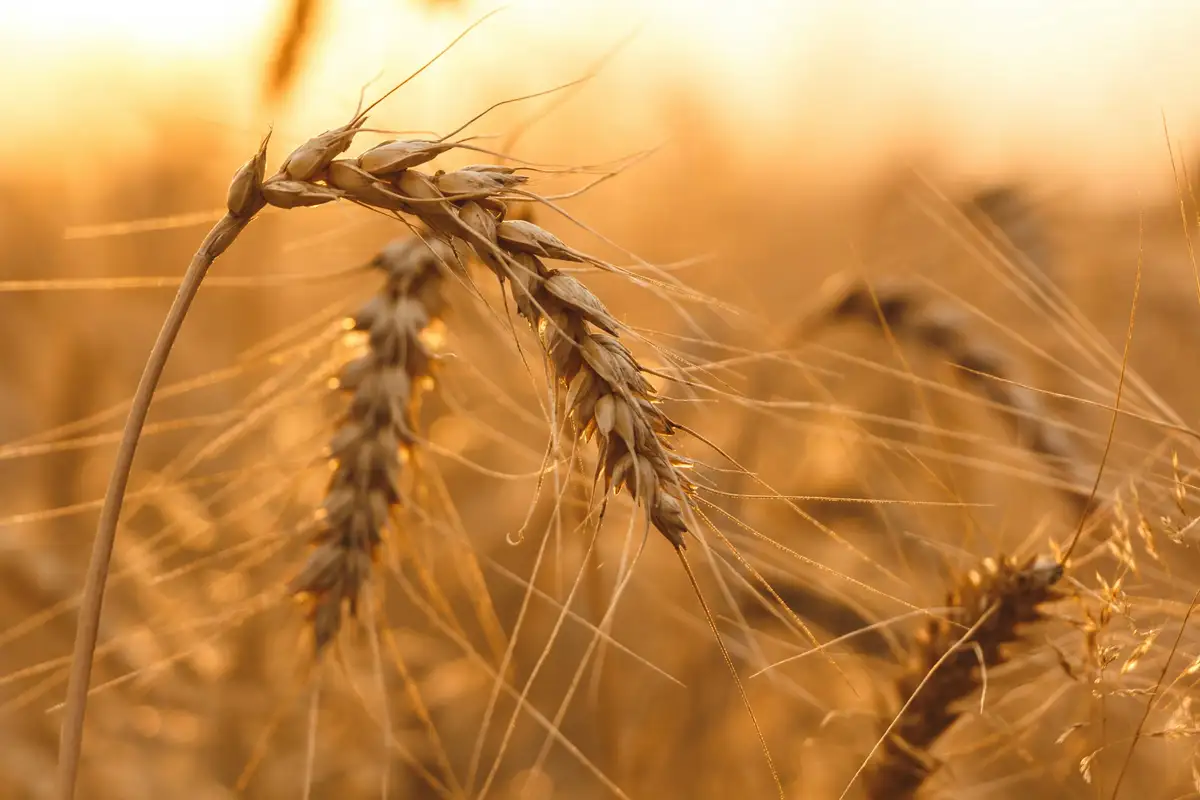
The main bible verse about the fruits of the holy spirit comes first, and the passages after it show how the same fruit appears across the New Testament.
But the fruit of the Spirit is love, joy, peace, longsuffering, gentleness, goodness, faith, Meekness, temperance: against such there is no law.
Galatians 5:22-23 (KJV)
This is the best-known bible verse about the fruits of the holy spirit. Paul says fruit, singular, which suggests nine sides of one character and not nine separate achievements.
This I say then, Walk in the Spirit, and ye shall not fulfil the lust of the flesh.
Galatians 5:16 (KJV)
The instruction comes before the list. Walking, a steady step after step, is how the fruit has room to appear.
If we live in the Spirit, let us also walk in the Spirit.
Galatians 5:25 (KJV)
Life from the Spirit is the starting point, and walking in step with him is the daily follow-through. The fruit grows in the gap between the two.
I am the vine, ye are the branches: He that abideth in me, and I in him, the same bringeth forth much fruit: for without me ye can do nothing.
John 15:5 (KJV)
A branch does not strain to produce grapes; it stays attached. Jesus uses the picture to explain where any bible verse about the fruits of the holy spirit gets its power.
Herein is my Father glorified, that ye bear much fruit; so shall ye be my disciples.
John 15:8 (KJV)
Fruit is how others recognize a disciple, and it points back to the Father, not to the one carrying it. The glory belongs to God.
(For the fruit of the Spirit is in all goodness and righteousness and truth;)
Ephesians 5:9 (KJV)
Paul gives a second, shorter list in a different letter. Goodness, righteousness and truth show the fruit in public behavior as well as private feeling.
And he shall be like a tree planted by the rivers of water, that bringeth forth his fruit in his season; his leaf also shall not wither; and whatsoever he doeth shall prosper.
Psalms 1:3 (KJV)
The Old Testament already links fruit to a well-watered life. In his season is a patient phrase: fruit has a schedule that we do not control.
Wherefore by their fruits ye shall know them.
Matthew 7:20 (KJV)
Jesus gives a plain test for teachers and neighbors alike. Gifts and words can impress, but character over time is what shows what is real.
For to be carnally minded is death; but to be spiritually minded is life and peace.
Romans 8:6 (KJV)
Two of the fruits, life and peace, are named as the result of a Spirit-focused mind. What we dwell on shapes what grows.
For the kingdom of God is not meat and drink; but righteousness, and peace, and joy in the Holy Ghost.
Romans 14:17 (KJV)
Paul steps into an argument over food and reminds the church what the kingdom is truly made of. Peace and joy come with the Spirit, not with winning.
Charity suffereth long, and is kind; charity envieth not; charity vaunteth not itself, is not puffed up,
1 Corinthians 13:4 (KJV)
Charity is the old English word for love. This is the fruit of love described in action: patience, kindness, no envy and no showing off.
Put on therefore, as the elect of God, holy and beloved, bowels of mercies, kindness, humbleness of mind, meekness, longsuffering;
Colossians 3:12 (KJV)
Bowels of mercies means deep, heartfelt compassion. Paul talks about clothing yourself in these qualities, as if choosing what to wear each morning.
And beside this, giving all diligence, add to your faith virtue; and to virtue knowledge; And to knowledge temperance; and to temperance patience; and to patience godliness;
2 Peter 1:5-6 (KJV)
Peter describes the fruit as something that is built up by effort over time. Each quality leads to the next, like steps on a staircase.
Being filled with the fruits of righteousness, which are by Jesus Christ, unto the glory and praise of God.
Philippians 1:11 (KJV)
Paul prays for the Philippians to be filled with fruit. The source is Christ and the purpose is praise to God, which keeps pride out of the picture.
That ye might walk worthy of the Lord unto all pleasing, being fruitful in every good work, and increasing in the knowledge of God;
Colossians 1:10 (KJV)
Fruitfulness and knowing God grow side by side. The more we know him, the more the fruit appears in good work.
But the wisdom that is from above is first pure, then peaceable, gentle, and easy to be intreated, full of mercy and good fruits, without partiality, and without hypocrisy.
James 3:17 (KJV)
James paints a portrait of spiritual wisdom in the same language Paul uses for the fruit. Gentle and easy to be intreated means willing to listen.
If ye then, being evil, know how to give good gifts unto your children: how much more shall your heavenly Father give the Holy Spirit to them that ask him?
Luke 11:13 (KJV)
The invitation to ask is open. If the fruit comes from the Spirit, then the first step is simply to ask the Father for him.
Galatians 5:22-23 is short enough to memorize in a few minutes, yet it contains a whole picture of Christian character. Paul lists love, joy, peace, longsuffering, gentleness, goodness, faith, meekness and temperance. Then he adds a calm closing line: against such there is no law. That closing line is what makes this bible verse about the fruits of the holy spirit so freeing. No legal code anywhere forbids these qualities.
The key word is fruit. Paul does not call these the works of the Spirit or the rules of the Spirit. Fruit is something that grows from a living source. This bible verse about the fruits of the holy spirit tells us that goodness is not manufactured by willpower alone but received and cultivated.
Notice too that it is a list set against another list. Just before it, Paul names the works of the flesh, such as hatred, strife and jealousy. The contrast is deliberate. The bible verse about the fruits of the holy spirit shows what human life looks like when God is leading, and it invites us to compare.
Paul could have used many images, but he chose fruit. A farmer knows that fruit cannot be forced, and the bible verse about the fruits of the holy spirit uses that very picture. You can water, prune and wait, yet the growth itself is the plant’s work. That picture removes a lot of anxiety from the Christian life, because we are not asked to manufacture holiness by sheer effort.
It also explains why the bible verse about the fruits of the holy spirit is singular. One fruit, nine flavors. A person cannot have love without joy or gentleness without self-control in any lasting way. They belong together as the character of Christ taking shape in us.
Gifts of the Spirit, such as teaching or healing, are different. They are tasks given for service. The fruit describes who we are becoming. For a companion study, see our page on Bible verses about the gifts of the Holy Spirit.
The bible verse about the fruits of the holy spirit sits at the end of a long argument in Galatians about freedom. Some teachers were telling new believers they had to follow the Jewish law to be right with God. Paul replied that Christ had set them free, and that freedom was not a license to indulge themselves.
He then describes an inner struggle. The flesh pulls one way, the Spirit another. The answer in this bible verse about the fruits of the holy spirit is not stricter rules but a different power source. Verse 16 says walk in the Spirit and you will not carry out the desires of the flesh. Fruit follows from walking.
Seeing this context keeps the bible verse about the fruits of the holy spirit from becoming a checklist. It is a description of a freed life, not a new law. Paul ends the list with the reminder that no law is against these things, because they do what the law was always meant to do.
Love comes first in Paul’s list, and many Bible teachers consider the other eight to be forms of it. Joy is love celebrating, and every bible verse about the fruits of the holy spirit starts from love. Peace is love at rest. Patience is love waiting. The bible verse about the fruits of the holy spirit begins with the one that holds the rest together.
The love Paul means is not a mood. First Corinthians 13 describes it in action: it suffers long, is kind, does not envy, does not boast. When a parent gets up at night with a sick child, or a friend stays with someone in a hard season, that is the love of the fruit at work.
You cannot manufacture it, but you can place yourself where it grows. Spend time in the company of people who love well, read the Gospels, and ask for the Spirit to enlarge your heart. Our collection of Bible verses about love can help.
Joy and peace sit side by side in the bible verse about the fruits of the holy spirit, and they are easy to confuse with moods. Biblical joy is deeper than happiness. It can exist alongside sorrow, as Paul showed when he wrote of rejoicing while in prison. It is a settled gladness rooted in God’s goodness, and it is central to any bible verse about the fruits of the holy spirit.
Peace follows the same pattern. It is not just the absence of conflict but a steady wholeness that comes from trusting God. Romans 14:17 puts joy and peace together as marks of the kingdom, and Philippians 4:7 promises a peace that guards the heart.
If you feel short of either, begin with gratitude. Thanksgiving is one of the quiet doors through which both enter. Many readers also find that serving someone else lifts their own spirits. For more reading, visit Bible verses about joy.
The King James word longsuffering is a rich one. It means a long fuse, the ability to endure difficult people or slow circumstances without exploding. In the bible verse about the fruits of the holy spirit, it sits third in the middle of the list, a sign that patience is never a small thing.
We tend to think of patience as waiting in line, but Scripture applies it mainly to relationships. God himself is described as longsuffering toward us, slow to anger and rich in mercy. When we bear with a stubborn colleague or a teenager who tests our limits, we copy him.
Patience grows slowly, often through situations we would rather avoid, which is how the bible verse about the fruits of the holy spirit usually plays out. A frustrating season is the soil where this fruit forms. If you are in one, take heart. Our page of Bible verses about patience offers further encouragement.
Gentleness in the fruit list is strength under control. It is the horse trained for a rider, the hand that can hold a baby without crushing. Someone gentle can be firm when needed but never harsh. The bible verse about the fruits of the holy spirit values this in a world that often rewards the loudest voice.
Goodness is close beside it, and it is active. It means doing the right and helpful thing without being asked. Barnabas, who sold a field to help the poor and later stood by Paul when no one trusted him, is a New Testament picture of goodness.
Try small experiments with this bible verse about the fruits of the holy spirit. Answer an email with warmth. Let a driver in. Pay a bill for someone. These small acts train the heart. See our pages on gentleness and kindness for more.
The last three fruits in the bible verse about the fruits of the holy spirit are faith, meekness and temperance. Faith here, in the bible verse about the fruits of the holy spirit, has the sense of faithfulness: being dependable, a person whose yes means yes. Employers and friends prize this quality above many flashier ones.
Meekness is often misunderstood. It is not timidity but humility with strength, a willingness to be taught and to put others first. Moses was called the meekest man on earth, and he confronted a king. Meek people are not doormats; they simply do not need to be the center of attention.
Temperance means self-control, mastery over appetite, anger and speech. It is the final fruit, perhaps because it keeps the others in order. Without it, love becomes sentiment and joy becomes excess. Read more in Bible verses about self-control.
John 15 explains the source of the bible verse about the fruits of the holy spirit. Jesus says he is the vine and we are the branches. Branches that stay connected bear fruit. Branches that are cut off wither. There is no third option.
Abiding sounds mysterious, but it is practical, and it is how the bible verse about the fruits of the holy spirit becomes real. It means staying close to Christ through prayer, Scripture, worship and obedience. Not a dramatic event but a daily pattern, like keeping a phone charged. Without the connection, effort produces little.
This also takes the pressure off. Branches do not try hard; they stay. When you feel dry, ask whether you have drifted from the vine. Often the first step is simply turning back to regular, quiet time with God, even five minutes a day. For a related study, see Bible verses about bearing fruit.
Galatians 5:16 and 5:25 both use the image of walking. A walk is made of steps, and each step is a small decision. The bible verse about the fruits of the holy spirit grows in people who keep taking those steps, even on ordinary Tuesdays.
What does it look like? It might mean praying before a hard conversation, pausing before a sharp reply, or choosing to forgive a small slight. Over months these choices shape character, much as a path forms in grass from repeated use.
The Spirit helps, but he does not walk for us. Cooperating with him includes noticing nudges of conscience and responding, which is what the bible verse about the fruits of the holy spirit asks. If you want a related passage, our page on walking in the Spirit expands on this idea.
Fruit can be blocked. Jesus speaks of seed choked by thorns, which he explains as the cares of life, the deceitfulness of riches and desire for other things. In the same way, constant busyness, bitterness or hidden sin can crowd out the growth the bible verse about the fruits of the holy spirit describes.
Often the cause is not dramatic. A habit of grumbling, an unforgiven offense, an hour of scrolling that replaces prayer. These small things form a kind of weed bed. The cure for whatever blocks the bible verse about the fruits of the holy spirit is not despair but honest pruning, the confession and course correction the Bible calls repentance.
Pruning hurts a little, but John 15 says the Father prunes branches so that they will bear more fruit. See any difficulty as a possible place of growth. Ask what the Spirit might be trimming, and receive it as care.
Imagine a household at six in the evening. Someone is tired, the dinner is late, a child is whining. The bible verse about the fruits of the holy spirit stops being theory right there. Patience, gentleness and self-control are the tools that carry that evening through.
The bible verse about the fruits of the holy spirit shows up in small decisions: lowering a voice, sharing a snack, saying sorry quickly. Children notice more than parents realize. They absorb the tone of a home, and a household shaped by the fruit of the Spirit becomes a place where they feel safe.
No family does this perfectly. When you fail, apologize. Showing children how to repair a relationship is itself a form of the fruit. The Spirit is at work through honest humility as much as through flawless performance.
Offices, shops and building sites are busy places where character is tested daily. A manager who stays calm under pressure, a colleague who gives credit freely, an employee who is honest about a mistake, each shows the bible verse about the fruits of the holy spirit in practice.
You do not have to quote Scripture to show it. Often people are drawn to the quiet reliability of someone who keeps promises, treats the cleaner and the director alike, and does not gossip. That consistency is a form of witness to the bible verse about the fruits of the holy spirit.
If your workplace is tense, pick one fruit to focus on for a week. Perhaps patience in meetings or kindness in messages. Pray briefly each morning for that one quality and watch for chances to practice it. Small focus leads to real change.
Anyone who has planted a fruit tree knows that years can pass before the first harvest. The bible verse about the fruits of the holy spirit follows a similar timetable. Growth is slow, often invisible, and measured in seasons rather than weeks.
This is encouraging for people who feel they are not changing. Look back a year or five years. Are you quicker to forgive, slower to anger, more honest than before? Often the answer is yes, even if the pace felt glacial at the time. Growth you cannot notice day to day still adds up.
Psalm 1:3 promises fruit in its season. Trust the season, because the bible verse about the fruits of the holy spirit promises growth. In the meantime, keep watering with prayer and Scripture, and be patient with yourself as God is patient with you.
Luke 11:13 contains a remarkable invitation. If human parents give good gifts, how much more will the Father give the Holy Spirit to those who ask? There is no special formula, no qualification other than asking. The bible verse about the fruits of the holy spirit begins there.
A simple prayer might be: Father, fill me with your Spirit today and grow your fruit in me. You can ask it in the morning, before a meeting or in the quiet of the evening. The prayer need not be eloquent. It only needs to be honest.
Then watch for the answer in ordinary life: a calmer reply, an unexpected kindness, a moment of joy that makes no sense given the circumstances. Fruit often comes quietly, noticed first by others.
Children can learn the bible verse about the fruits of the holy spirit through songs, drawings and simple games. A basket of real fruit with nine labels attached to the pieces makes a memorable lesson. Each time they pick up an apple or a pear, they recall a quality like love or kindness.
Link the fruit to daily moments. When a sibling shares a toy, name it as kindness. When a child waits patiently, praise their longsuffering. Seeing the words attached to real behavior helps them understand what the fruit looks like.
Pray for the fruit in your children by name. Parents cannot make it grow, but they can plant, water and trust God. Memory work on the bible verse about the fruits of the holy spirit also helps; resources such as Bible verses about the fruit of the Spirit offer more passages to share.
Set aside ten minutes this week with a notebook. Write the nine fruits down the left side. Next to each, write a recent moment when you showed it and a moment when you did not. Be honest but kind to yourself. The goal is awareness, not guilt.
Choose one fruit to pray about. Ask God to grow it in you, and name a small action you can take. If you chose patience, perhaps you will take three slow breaths before replying to the next irritating message. The bible verse about the fruits of the holy spirit becomes personal when it connects to specific habits.
Revisit the bible verse about the fruits of the holy spirit and your list in a month. Notice what has shifted. Celebrate small progress and thank God for it. This simple review turns a familiar verse into a lasting rhythm of growth.
One frequent mistake is to treat the bible verse about the fruits of the holy spirit as a personality test. People say I am a patient person but not a joyful one, as if they were choosing items from a menu. Paul wrote about one fruit with nine aspects, and he expects all of them to be growing in every believer.
A second mistake is thinking the fruit appears the moment a person prays a prayer. Conversion starts the life, but fruit ripens over time. A new Christian may still struggle with temper, honesty or self-control, and that is normal. The bible verse about the fruits of the holy spirit describes direction, not instant perfection.
A third misunderstanding is that fruit is the same as being nice. Gentleness is not weakness, and goodness is sometimes costly. Jesus overturned tables in the temple and wept at a grave, and both were expressions of love. The fruit has backbone as well as warmth.
Congregations are often the place where the bible verse about the fruits of the holy spirit gets tested hardest. Committees disagree, personalities clash, and opinions about music can become strangely heated. Paul wrote Galatians to a church where people were biting and devouring one another, so he knew what was at stake.
A church that practices the fruit is easy to recognize. People greet visitors, forgive small offenses quickly, share meals, and admit mistakes. Leaders listen. Decisions are made with patience, and no one has to win every argument. The atmosphere feels less like a business and more like a family.
You can contribute to that culture whichever role you hold. Offer a kind word to the person who sets up chairs. Pray for the pastor. Choose gentleness in the group chat. Each small act is a stitch in the fabric that the bible verse about the fruits of the holy spirit describes.
There are seasons when the bible verse about the fruits of the holy spirit feels like a mirror that shows only what is missing. You snapped at your children, lost patience at work and skipped prayer for a week. It is tempting to conclude that nothing is growing.
But fruit trees have winters. Roots deepen while the branches look bare. A time of struggle may be exactly the period in which God is doing the most unseen work. Many believers look back on their hardest years as the time their character changed the most.
Try asking a trusted friend what they have noticed in you. Others often see growth before we do. And remember that the Spirit is patient. The bible verse about the fruits of the holy spirit is a promise about what God will do, not a verdict on how you are doing this week.
Trees and vines appear all through Scripture as pictures of human life. Psalm 1 compares the righteous to a tree beside flowing water. Jeremiah 17 says something similar. Isaiah speaks of a vineyard that God tended. The bible verse about the fruits of the holy spirit is part of that long tradition.
The tree picture teaches that the source of life is outside the tree, a lesson the bible verse about the fruits of the holy spirit shares. Roots draw from water the tree did not create. So the fruit is a result of dependence, not self-sufficiency. A believer is fruitful when planted by living water and nourished daily.
This also hints at seasons. Spring has blossoms, summer brings heat, autumn brings harvest, winter brings rest. Knowing the seasons of fruit helps us avoid both pride in good times and despair in dry ones.
The bible verse about the fruits of the holy spirit is more than a pleasant list. It is a promise that God can grow in ordinary people the very qualities that make life with others good: love, joy, peace, patience, kindness, goodness, faithfulness, gentleness and self-control.
None of it is earned. All of it is received and cultivated through staying close to Christ. If you feel far from that today, begin with a simple prayer and one small step. The Spirit is generous with those who ask.
Return to Galatians 5:22-23 whenever you need a reminder of the kind of person God is shaping you to be. May your life, slowly and quietly, bear fruit that others can taste.
If you found this bible verse about the fruits of the holy spirit helpful, these related collections continue the theme: Bible verses about the fruit of the Spirit, verses for the fruit of the Spirit, the Holy Spirit, walking in the Spirit, bearing fruit, gifts of the Holy Spirit, spiritual growth, self-control, gentleness, patience, spiritual maturity.
To study these verses in more depth, try Bible Gateway, Bible Hub, Bible Study Tools, Blue Letter Bible.
The main bible verse about the fruits of the holy spirit is Galatians 5:22-23. In the King James Version it names love, joy, peace, longsuffering, gentleness, goodness, faith, meekness and temperance, and ends by saying that against such there is no law.
Galatians 5:22-23 lists nine qualities, though Paul speaks of one fruit in the singular. Many teachers see the nine as different sides of one Christlike character, with love as the root. Other passages such as Ephesians 5:9 add related qualities.
No. The gifts, listed in 1 Corinthians 12, are abilities given for serving others, such as teaching or healing. The fruit describes character. The bible verse about the fruits of the holy spirit is about who we become, not what tasks we perform.
Stay close to Christ through prayer, Scripture and community, walk in step with the Spirit daily, and ask the Father for his help. Growth is gradual, like a tree. Be patient and look for small signs of change over months and years.
The King James Version uses 1611 English. Longsuffering means patience, and temperance means self-control, and later translations use those words. The bible verse about the fruits of the holy spirit reads the same in meaning in every faithful translation.