
Bible Verses About Meekness correct the idea that meekness means being timid or weak. Scripture calls Moses the meekest man on earth and shows Jesus as meek and lowly in heart, yet both were strong and courageous. These passages explain meekness as gentle strength under God’s control, a fruit of the Spirit that God promises to bless.
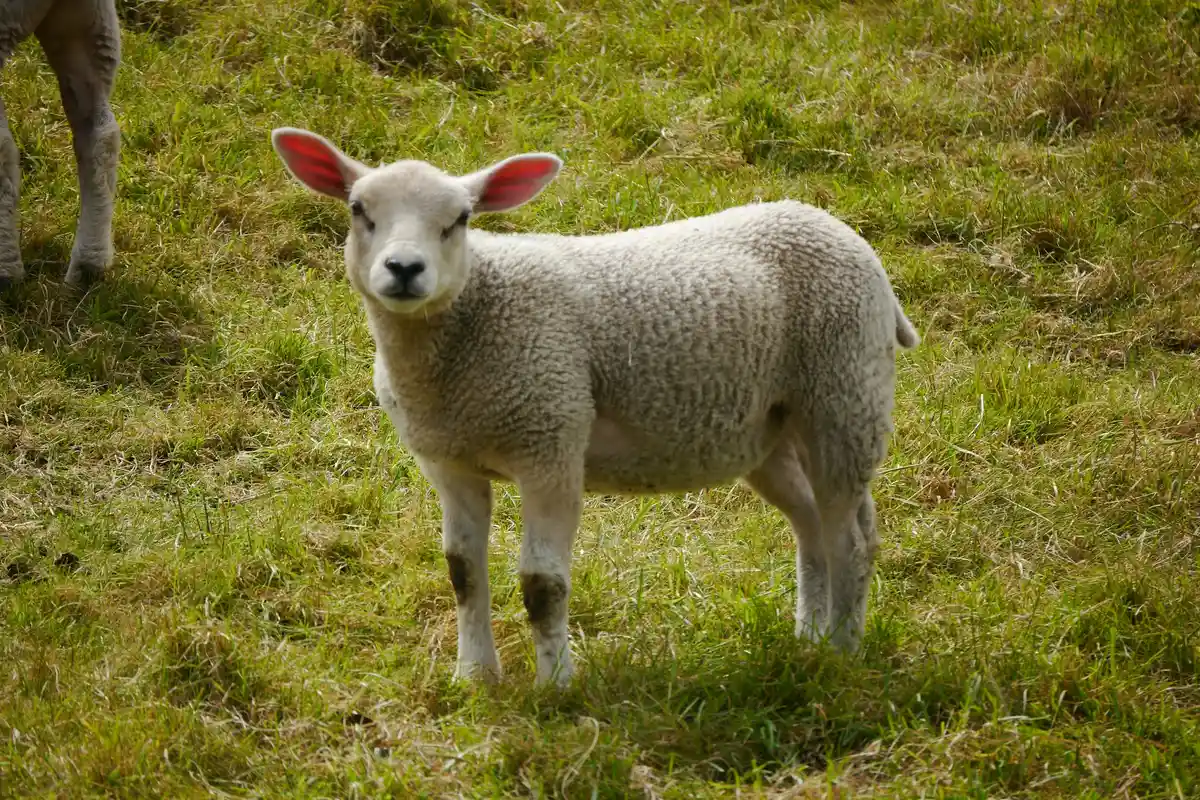
Blessed are the meek: for they shall inherit the earth.
Matthew 5:5 (KJV)
Jesus pronounces the meek blessed and promises that they will inherit the earth.
(Now the man Moses was very meek, above all the men which were upon the face of the earth.)
Numbers 12:3 (KJV)
Moses, a strong leader, is described as the meekest man on earth, showing meekness is not weakness.
Take my yoke upon you, and learn of me; for I am meek and lowly in heart: and ye shall find rest unto your souls.
Matthew 11:29 (KJV)
Jesus describes himself as meek and lowly in heart, and offers rest to those who learn from him.
But the fruit of the Spirit is love, joy, peace, longsuffering, gentleness, goodness, faith, Meekness, temperance: against such there is no law.
Galatians 5:22-23 (KJV)
Meekness is listed as part of the fruit that the Holy Spirit produces in believers.
Put on therefore, as the elect of God, holy and beloved, bowels of mercies, kindness, humbleness of mind, meekness, longsuffering;
Colossians 3:12 (KJV)
God’s chosen people are told to put on meekness along with kindness, humility and patience.
I therefore, the prisoner of the Lord, beseech you that ye walk worthy of the vocation wherewith ye are called, With all lowliness and meekness, with longsuffering, forbearing one another in love;
Ephesians 4:1-2 (KJV)
Walking worthy of our calling includes lowliness, meekness and bearing with one another in love.
Wherefore lay apart all filthiness and superfluity of naughtiness, and receive with meekness the engrafted word, which is able to save your souls.
James 1:21 (KJV)
Scripture is to be received with meekness, a teachable spirit that lets the word take root.
Who is a wise man and endued with knowledge among you? let him shew out of a good conversation his works with meekness of wisdom.
James 3:13 (KJV)
True wisdom shows itself in good conduct carried out with meekness.
Whose adorning let it not be that outward adorning of plaiting the hair, and of wearing of gold, or of putting on of apparel; But let it be the hidden man of the heart, in that which is not corruptible, even the ornament of a meek and quiet spirit, which is in the sight of God of great price.
1 Peter 3:3-4 (KJV)
A meek and quiet spirit is described as an inner beauty that God considers of great price.
But the meek shall inherit the earth; and shall delight themselves in the abundance of peace.
Psalms 37:11 (KJV)
Long before Jesus, David wrote that the meek would inherit the earth and delight in peace.
Tell ye the daughter of Sion, Behold, thy King cometh unto thee, meek, and sitting upon an ass, and a colt the foal of an ass.
Matthew 21:5 (KJV)
Jesus entered Jerusalem as a meek king riding on a donkey, fulfilling prophecy.
The meek will he guide in judgment: and the meek will he teach his way.
Psalms 25:9 (KJV)
God guides the meek in judgment and teaches them his way.
Put them in mind to be subject to principalities and powers, to obey magistrates, to be ready to every good work, To speak evil of no man, to be no brawlers, but gentle, shewing all meekness unto all men.
Titus 3:1-2 (KJV)
Believers are to show meekness to all people, speaking evil of no one.
Now I Paul myself beseech you by the meekness and gentleness of Christ, who in presence am base among you, but being absent am bold toward you:
2 Corinthians 10:1 (KJV)
Paul appeals to his readers by the meekness and gentleness of Christ.
The Spirit of the Lord God is upon me; because the Lord hath anointed me to preach good tidings unto the meek; he hath sent me to bind up the brokenhearted, to proclaim liberty to the captives, and the opening of the prison to them that are bound;
Isaiah 61:1 (KJV)
The anointed servant is sent to preach good tidings to the meek.
Seek ye the Lord, all ye meek of the earth, which have wrought his judgment; seek righteousness, seek meekness: it may be ye shall be hid in the day of the Lord’s anger.
Zephaniah 2:3 (KJV)
The prophet urges the meek of the earth to seek righteousness and meekness.
For the Lord taketh pleasure in his people: he will beautify the meek with salvation.
Psalms 149:4 (KJV)
The Lord takes pleasure in his people and beautifies the meek with salvation.
In the Bible, meekness is strength placed under God’s authority. It shows up as gentleness toward others, a teachable heart toward God’s word and a refusal to fight for one’s own way at any cost. Moses is the clearest Old Testament example. Numbers 12:3 calls him very meek at the very moment his own brother and sister criticised him, and he left his defence to God instead of lashing out.
Jesus is the fullest picture. He called himself meek and lowly in heart and entered Jerusalem on a donkey, not a warhorse. Yet he also drove out money changers and confronted hypocrisy. His meekness was not passivity but the settled confidence of someone who trusted his Father completely.
The New Testament treats meekness as a fruit of the Holy Spirit and a garment believers are to put on. It shapes how Christians receive correction, answer critics and restore those who fall. The promise attached is remarkable: the meek will inherit the earth, because those who do not grasp for power are the ones God chooses to honour.
Matthew 5:5s blessed are the meek pairs this quality with inheriting the earth, hardly language for weakness or passivity.
Numbers 12:3 says Moses was meeker than any man on the face of the earth, yet he led an entire nation through forty long years of complaints, rebellion, and hardship. His meekness was not weakness; he confronted Pharaoh boldly and later interceded for the very people who turned against him. That combination of strength under God’s control is exactly what this quality of meekness describe when they speak of a quiet, submitted heart.
When his own siblings challenged his leadership, Moses did not defend himself loudly. He let God settle the matter, trusting a higher authority instead of protecting his own reputation. His restraint offers a clear picture of meekness as strength held in check rather than strength withheld out of fear.
Twice David had the chance to kill Saul, the king who hunted him for years without cause, and twice he refused. Instead of striking, David cut a corner from Saul’s robe and later felt convicted even for that small act against God’s anointed. His restraint in the cave at En Gedi remains one of the most striking Bible Verses About Meekness in action, since the temptation to strike back was entirely justified by ordinary standards.
David chose patience over vengeance, trusting God to settle the throne in His own good timing rather than seizing it by force. That same patience is available to anyone tempted to take matters into their own hands today.
Abigail stepped between her foolish husband Nabal and an enraged David, calming a conflict that could have ended in bloodshed. She did not argue or accuse; she brought provisions, spoke respectfully, and appealed to David’s better judgment. Her wisdom under pressure is a living example of meekness, the kind celebrated throughout this virtue as strength wrapped in gentleness.
David later credited her words with keeping him from sin, proof that a calm, humble approach can accomplish what anger cannot. Abigail’s quick thinking still offers a model for defusing tension without ever raising a voice.
John the Baptist drew large crowds and could have built his own following, yet he insisted that Jesus must increase while he must decrease. He pointed away from himself at the height of his popularity, content to be a voice preparing the way rather than the center of attention. Few figures illustrate Bible Verses About Meekness as plainly as a man willing to fade so someone greater could be seen.
John’s meekness was not timidity; he had confronted King Herod directly and paid for it with his own life. His example shows that meekness can hold conviction and humility together without contradiction.
Stephen, the first Christian martyr, was dragged before a hostile council and stoned for his testimony, yet his final recorded words were a prayer asking God to forgive his accusers. He did not curse the crowd or demand justice for himself. His response under the worst possible pressure remains one of the most sobering these examples stories in the entire New Testament.
Stephen’s face, described as like an angel’s even during his trial, suggests that meekness rooted in faith can remain steady even when circumstances turn violent. His prayer still challenges readers facing far smaller injustices today.
When the angel Gabriel announced that Mary would carry the Messiah, she responded not with resistance but with quiet submission, calling herself the Lord’s servant. She accepted a plan that would cost her reputation and comfort without demanding an explanation first. Her simple yes stands among the gentlest Bible Verses About Meekness because it shows trust overtaking fear in a single moment.
Mary’s meekness carried her through Bethlehem, into exile in Egypt, and eventually to the foot of the cross. Her steady presence through every stage of that long story reveals meekness as endurance, not passivity.
On the night before His crucifixion, Jesus took a towel and basin and washed the feet of His own disciples, a task normally reserved for the lowest servant in a household. He held all authority in heaven and earth, yet He knelt before the very men who would abandon Him just hours later. That scene is the clearest picture behind every study of this quality of meekness, since true meekness flows from strength, not the lack of it.
Jesus told His disciples to follow His example, making meekness a command rather than a suggestion. Service, not status, became the measure of greatness in His kingdom.
Isaac’s servants dug well after well, only to have the Philistines claim each one after water was found. Rather than fight for his rights, Isaac simply moved on and dug again, eventually finding room enough for everyone. His willingness to yield ground rather than escalate a quarrel reflects the quiet confidence found throughout Bible Verses About Meekness.
Isaac’s patience was rewarded when he finally reached a well no one contested, naming it Rehoboth because the Lord had made room for him. His story shows that meekness can outlast conflict without ever raising a fist.
Joseph held enormous power over the brothers who had sold him into slavery years earlier, yet when he finally revealed himself, he wept and forgave them instead of taking revenge. He recognized God’s larger purpose in his suffering rather than nursing bitterness toward the men who caused it. His response offers one of the most complete this virtue examples, since real power was fully in his hands and he chose mercy anyway.
Joseph’s meekness did not erase the pain of what happened to him, but it kept that pain from becoming a weapon against his own family. That same choice remains available to anyone still carrying an old wound.
A Roman centurion approached Jesus on behalf of his sick servant, yet when Jesus offered to come to his house, the centurion said he was not worthy to have Him under his roof. He recognized authority operating through both command and submission, understanding humility even as a man used to giving orders. Jesus marveled at his faith, calling it greater than anything He had found in Israel, and his posture remains a quiet study in Bible Verses About Meekness even though he held real power.
The centurion did not need Jesus to prove anything through a grand gesture; a simple word was enough for him. His example shows that meekness and confidence can exist together in the very same heart.
Boaz was a man of standing in Bethlehem, yet he treated Ruth, a poor foreign widow gleaning in his fields, with unusual respect and generosity. He did not flaunt his position or make her feel indebted; he simply made room for her to work with dignity. His quiet generosity reflects the same spirit found in these examples, where strength serves rather than dominates.
Boaz later honored the customs of his day fully before marrying Ruth, refusing to shortcut a process that protected her reputation. His patience under no external pressure at all reveals meekness as a settled character trait, not a performance for an audience.
Lord, teach me the meekness You showed us in Moses, in David’s restraint, and above all in Jesus kneeling before His disciples. When I am tempted to defend myself loudly or strike back at those who wrong me, remind me that meekness describes strength held in Your hands, not weakness on display. Give me Abigail’s wisdom, Stephen’s grace under pressure, and Mary’s willingness to trust without demanding answers. Let my life reflect a quiet confidence that comes from knowing You are already fully in control. Amen.
These simple habits help the truth behind Bible Verses About Meekness take shape in ordinary days.
This weekly plan walks through this quality of meekness alongside the stories above.
Sit with these questions after reading through Bible Verses About Meekness above.
In Greek, the word Jesus used in the Beatitudes was applied to animals that had been trained. A horse that once bolted in battle and now answered the rein was called by it. The strength had not gone anywhere. It had been brought under a hand. Keep that picture in mind and the verse sounds different: ‘Blessed are the meek: for they shall inherit the earth.’ (Matthew 5:5)
Jesus was quoting from the Psalms, where David wrote, ‘But the meek shall inherit the earth; and shall delight themselves in the abundance of peace.’ (Psalm 37:11) The setting of that psalm is a world where wicked people seem to be winning. David tells the reader not to fret, because the loud grab for land will not last. The ones who wait on the Lord are the ones left standing on it.
That is why the Bible Verses About Meekness on this page keep returning to restraint under pressure. The meek person is not weak. They simply refuse to take what is not theirs by force, and they trust that God keeps an honest ledger.
When Jesus rode into Jerusalem the week before He died, He picked the one animal that told the crowd exactly what kind of king He was. Matthew quotes the old prophecy: ‘Tell ye the daughter of Sion, Behold, thy King cometh unto thee, meek, and sitting upon an ass, and a colt the foal of an ass.’ (Matthew 21:5)
Picture the contrast. Roman governors entered cities on war horses, with banners and a column of soldiers. Jesus came on a colt that someone had lent Him, with people laying coats on the road. Nobody holding a spear was part of the parade. Yet this was the One with every right to demand a throne that very afternoon.
Here, meekness is chosen on purpose. It is power that has decided how it will be used. You can see a smaller echo of it whenever a parent with the last word decides to apologize first, or a manager with every right to fire someone sits down and listens instead.
There is a promise in the Psalms that is easy to read past: ‘The meek will he guide in judgment: and the meek will he teach his way.’ (Psalm 25:9) The meek are the ones who can be taught. A person who already knows everything has little room for instruction, while someone who admits to not knowing is able to hear a correction without flinching.
James ties the same thing to everyday wisdom. ‘Who is a wise man and endued with knowledge among you? let him shew out of a good conversation his works with meekness of wisdom.’ (James 3:13) Notice that he does not ask for a clever speech. He asks for a way of living in which the works show it, quietly and consistently.
Even Paul, who could be fierce in a letter, begged the Corinthians by ‘the meekness and gentleness of Christ.’ (2 Corinthians 10:1) He knew critics said he was timid in person and bold only on paper. He did not hit back with a show of force. He pointed to Christ and let the comparison do the work, which is a hard thing to do when you feel misjudged.
Most of us will never face a lion or a king. We will face a family group chat, a church business meeting, a neighbor with a loud dog. That is where meekness is tested. Paul writes to the Ephesians to walk worthy of the calling ‘With all lowliness and meekness, with longsuffering, forbearing one another in love.’ (Ephesians 4:2) Forbearing means putting up with, and anyone who has shared a kitchen knows how much that takes.
To Titus he gives a short list of what Christians owe the outside world: ‘To speak evil of no man, to be no brawlers, but gentle, shewing all meekness unto all men.’ (Titus 3:2) All men, including the rude clerk and the rival at work. And the fruit Paul lists in Galatians 5:22-23 places gentleness and meekness right beside love, joy and peace, so it is not a lesser trait.
A simple test works well. Before replying to an angry message, wait until the heat has gone out of your hands. Then write what you would say if the other person were sitting across from you and you wanted them to stay in the room. That small pause is often all the meekness a situation needs.
Peter speaks to wives living with unbelieving husbands, but his words reach everyone: let your beauty be ‘the ornament of a meek and quiet spirit, which is in the sight of God of great price.’ (1 Peter 3:4) Great price is a market term. What the world overlooks, God values highly. And Psalm 149:4 says, ‘For the LORD taketh pleasure in his people: he will beautify the meek with salvation.’
A caution is needed, though. Meekness never means staying quiet while someone is being harmed. Zephaniah calls, ‘Seek ye the LORD, all ye meek of the earth, which have wrought his judgment; seek righteousness, seek meekness.’ (Zephaniah 2:3) The meek are described as people who act justly. Isaiah 61:1 says the anointed One brings good news to the meek, and He also binds up the brokenhearted.
If you are living with abuse or ongoing threats, these verses do not ask you to absorb it. Tell a pastor, a counselor or the proper authorities, and get to a safe place. A meek heart and a firm boundary can live in the same person. Jesus Himself walked away from crowds that wanted to hurt Him.
Nearby topics worth a look: Bible Verses About Strength in Difficult Times, Bible Verses About Praying for Others, Bible Verses About Safety, Bible Verses About Courage and Strength, Bible Verses For Peace in Difficult Times, Bible Verses About Wisdom, Bible Verses For Believing God's Promises, Bible Verses About Protection, Bible Verses For God's Peace, Bible Verses For Baptism and Bible Verses About Wives.
To study these verses in more depth, try Bible Gateway, Bible Hub and Bible Study Tools.
In the Bible, meekness is strength placed under God's authority. It shows up as gentleness toward others, a teachable heart toward God's word and a refusal to fight for one's own way at any cost.
This page brings together 9 King James Version references about meekness, drawn from 6 different books of the Bible.
Numbers 12:3 is one of the verses about meekness referenced in this collection, alongside Matthew 5:5.
Yes, the verses referenced on this page, including Numbers 12:3, are quoted according to the King James Version (KJV), and are suitable for daily reading, memorization, or devotional use.
Beyond the references highlighted on this page, meekness appears throughout Scripture in books such as Numbers, Matthew, 1 Samuel, John, Acts; this collection focuses on some of the clearest examples.