
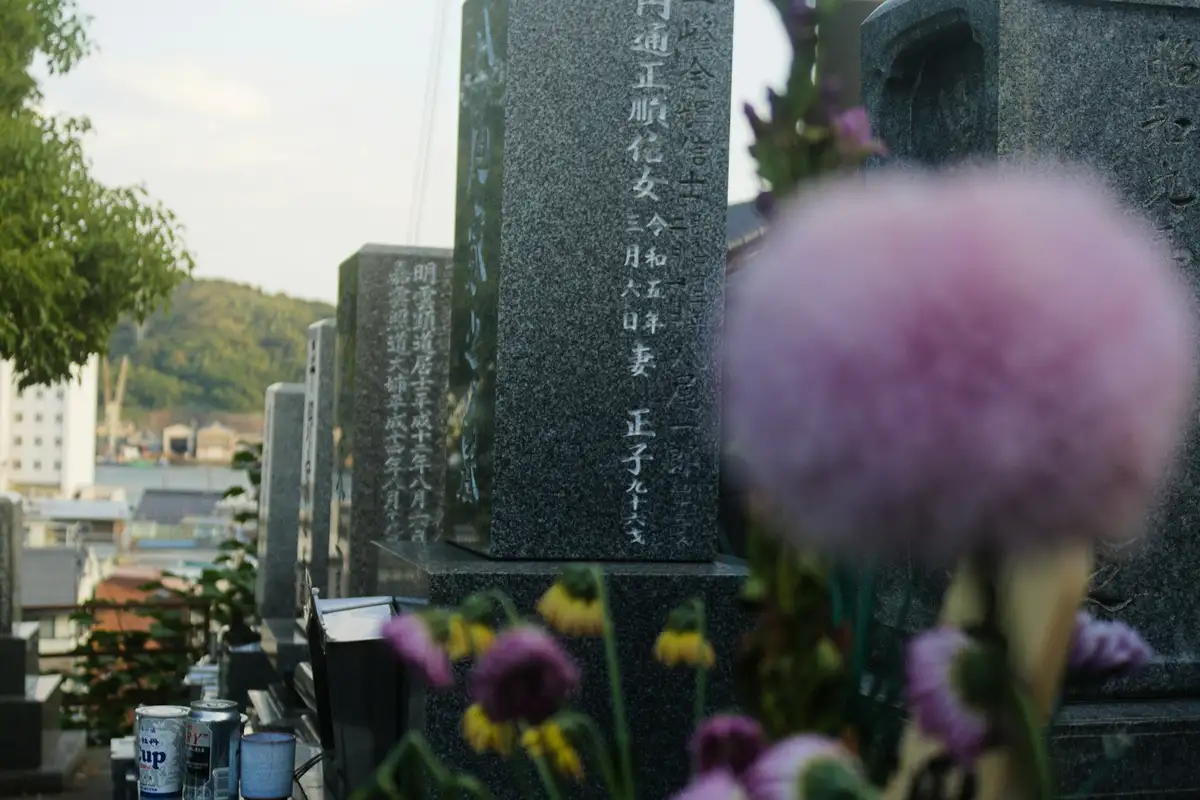
Every verse below is quoted word for word from the King James Version, with the reference under each passage.
So teach us to number our days, that we may apply our hearts unto wisdom.
Psalms 90:12 (KJV)
A prayer for wisdom that comes from remembering life is numbered, often chosen for a reflective tone.
A good name is better than precious ointment; and the day of death than the day of one’s birth.
Ecclesiastes 7:1 (KJV)
The observation that a good name outlasts even the day of death itself.
The memory of the just is blessed: but the name of the wicked shall rot.
Proverbs 10:7 (KJV)
A short promise that the memory of the righteous is blessed, fitting for an epitaph.
Surely he shall not be moved for ever: the righteous shall be in everlasting remembrance.
Psalms 112:6 (KJV)
A declaration that the righteous will be held in everlasting remembrance.
By faith Abel offered unto God a more excellent sacrifice than Cain, by which he obtained witness that he was righteous, God testifying of his gifts: and by it he being dead yet speaketh.
Hebrews 11:4 (KJV)
The description of Abel, who “being dead yet speaketh,” a favorite for someone remembered through their example.
Then they that feared the Lord spake often one to another: and the Lord hearkened, and heard it, and a book of remembrance was written before him for them that feared the Lord, and that thought upon his name.
Malachi 3:16 (KJV)
God’s own book of remembrance, written for those who feared his name.
One generation shall praise thy works to another, and shall declare thy mighty acts.
Psalms 145:4 (KJV)
A generational promise: one generation declaring God’s works to the next.
When I call to remembrance the unfeigned faith that is in thee, which dwelt first in thy grandmother Lois, and thy mother Eunice; and I am persuaded that in thee also.
2 Timothy 1:5 (KJV)
Paul’s reminder to Timothy of a faith passed down through his grandmother and mother.
That this may be a sign among you, that when your children ask their fathers in time to come, saying, What mean ye by these stones? Then ye shall answer them, That the waters of Jordan were cut off before the ark of the covenant of the Lord; when it passed over Jordan, the waters of Jordan were cut off: and these stones shall be for a memorial unto the children of Israel for ever.
Joshua 4:6-7 (KJV)
The literal instruction to set up memorial stones so future children would ask what they meant.
And Jacob set a pillar upon her grave: that is the pillar of Rachel’s grave unto this day.
Genesis 35:20 (KJV)
Jacob setting a pillar over Rachel’s grave, one of Scripture’s own tombstone accounts.
Now also when I am old and grayheaded, O God, forsake me not; until I have shewed thy strength unto this generation, and thy power to every one that is to come.
Psalms 71:18 (KJV)
An aging believer’s prayer to keep declaring God’s strength to the next generation.
And Ruth said, Intreat me not to leave thee, or to return from following after thee: for whither thou goest, I will go; and where thou lodgest, I will lodge: thy people shall be my people, and thy God my God: Where thou diest, will I die, and there will I be buried: the Lord do so to me, and more also, if ought but death part thee and me.
Ruth 1:16-17 (KJV)
Ruth’s vow of loyalty unto death and burial, sometimes chosen for a spouse’s shared marker.
Mark the perfect man, and behold the upright: for the end of that man is peace.
Psalms 37:37 (KJV)
A short promise that the end of an upright life is peace.
And these words, which I command thee this day, shall be in thine heart: And thou shalt teach them diligently unto thy children, and shalt talk of them when thou sittest in thine house, and when thou walkest by the way, and when thou liest down, and when thou risest up.
Deuteronomy 6:6-7 (KJV)
The command to pass faith diligently from one generation to the next.
Long before modern granite markers, biblical figures set up literal stones to mark significant events and burials. Genesis 35:20 records Jacob setting a pillar over Rachel’s grave “unto this day,” an ancient tombstone in every practical sense, while Joshua 4:6-7 describes twelve stones set up specifically so that future children would ask what they meant and hear the story behind them, the same idea behind so many of these verses.
This biblical precedent is part of why this passage feel less like a modern add-on to Scripture and more like a continuation of something the Bible itself already practiced: using a physical marker to keep a story from being lost to time.
A tombstone often aims to say something about who a person was, not only that they lived and died, and several of this collection speak directly to legacy. Proverbs 10:7’s promise that “the memory of the just is blessed” works well for someone widely remembered for their character, while Hebrews 11:4’s description of Abel, who “being dead yet speaketh,” suits someone whose example continued to influence others after death.
Ecclesiastes 7:1’s observation that “a good name is better than precious ointment” offers a similar legacy-focused option, particularly for a tombstone meant to summarize an entire life in just a few carved words, a common goal among these Scriptures.
Some cemetery plots include a single larger family marker alongside individual stones, and 2 Timothy 1:5’s reference to faith passed from a grandmother to a mother to Timothy himself fits this kind of generational memorial particularly well. Psalm 145:4’s promise that “one generation shall praise thy works to another” carries a similar multi-generational weight without naming specific family members, another reason it fits well among this theme.
These passages work especially well for a family plot where several relatives are memorialized together, since a generational verse can apply meaningfully to every name on the marker rather than describing only one person’s individual story.
Deuteronomy 6:6-7’s command to teach God’s words diligently to children, at home and “when thou walkest by the way,” offers an unexpected lens for thinking about a tombstone’s purpose: a marker that a family will walk past for generations, carrying a message meant to be taught rather than merely observed. Choosing one of this topic with this in mind can shift the decision from picking a verse that only comforts toward picking one that also teaches.
A grandchild reading Psalm 90:12’s prayer to “number our days, that we may apply our hearts unto wisdom” at a great-grandparent’s grave receives, in a small way, exactly the kind of generational instruction Deuteronomy 6:6-7 describes, part of what makes these verses worth choosing carefully.
Some older family cemetery plots include graves that were never properly marked, sometimes because a family couldn’t afford a stone at the time or simply never got around to ordering one. Adding a marker decades later, even a simple one, with a verse like Psalm 37:37’s promise that “the end of that man is peace” can finally give a long-unmarked grave the same dignity as the rest of the family plot, using one of this passage.
Genealogical researchers sometimes discover these unmarked graves while tracing family history, and choosing one of this collection for a belated marker connects a newly identified ancestor to the same faith tradition the rest of the family already shares.
Ruth 1:16-17’s vow “where thou diest, will I die, and there will I be buried” carries particular weight for someone buried far from their birthplace, whether through immigration, military service, or simply building a life elsewhere. The verse’s emphasis on choosing a people and a place, rather than only being born into one, speaks to a life defined by chosen belonging rather than geography, a theme shared by several of these Scriptures.
Families sometimes choose this passage specifically because it doesn’t require explaining why someone is buried somewhere other than where they were born; the verse itself already frames belonging as a matter of loyalty and love rather than location, unlike many other this theme.
A tombstone verse chosen with future descendants in mind, rather than only the immediate family attending a funeral, can serve a very different purpose decades later. Joshua 4:6-7’s account of children eventually asking “what mean ye by these stones” describes almost exactly what happens when a great-great-grandchild encounters an ancestor’s marker in an old cemetery generations after the burial, exactly the audience these passages were gathered for.
Choosing one of this topic that briefly explains itself, rather than assuming shared context a stranger or distant descendant wouldn’t have, helps the marker keep communicating long after everyone who remembers the person has also passed away.
Many tombstones carry a carved symbol alongside their inscription, and certain images pair naturally with particular passages among these verses. An open book or scroll often accompanies Malachi 3:16’s reference to God’s “book of remembrance,” while a shepherd’s staff pairs naturally with any verse emphasizing guidance carried from one generation to the next, such as Psalm 71:18.
A carved tree with roots is sometimes used alongside Deuteronomy 6:6-7 or 2 Timothy 1:5, since both passages emphasize something being passed down and taking root in a following generation rather than ending with a single life, a thread running through several of this passage.
Occasionally a family relocates a loved one’s remains to a new cemetery, whether to be nearer to family or because an original burial ground was closing, and the new marker raises the question of whether to reuse the original inscription or choose something new. Genesis 35:20’s account of Jacob marking Rachel’s grave describes a similarly significant single act of memorial-making, which some families find fitting to reference again on a relocated stone, choosing again from this collection.
There’s no requirement to match the original verse exactly; some families use a reburial as an opportunity to choose from these Scriptures with fresh eyes, informed by years of reflection the original family may not have had time for.
Some families choose a tombstone verse less to describe the individual buried and more to mark that person’s place within a longer line of shared belief. 2 Timothy 1:5’s specific mention of faith passed from a grandmother through a mother to Timothy himself offers a template many families adapt, sometimes literally naming the chain of relatives who shared a particular faith tradition in a family history document kept alongside the stone, a practice that pairs naturally with this theme.
Choosing this kind of verse turns an individual tombstone into a small marker of a much longer family story, one that a descendant researching genealogy decades later might find as meaningful as the burial record itself, which is the real purpose behind these Bible Verses for Tombstones.
Families with a member who spent years researching ancestry sometimes choose a tombstone verse that nods to that specific interest, and Psalm 145:4’s language of one generation declaring God’s works to another fits naturally for someone who spent their life connecting family stories across generations. It gives the marker a personal resonance beyond a general comfort verse.
Malachi 3:16’s image of a “book of remembrance” also resonates for a family genealogist, since much of that work amounts to compiling exactly this kind of written record, name by name, so descendants aren’t forgotten.
Not every cemetery plot or budget allows for a lengthy inscription, and several of these Bible Verses for Tombstones work well in a compressed form. Psalm 37:37’s sixteen words fit easily on a small marker, and Psalm 145:4’s single sentence carries real weight without requiring much carved space.
Proverbs 10:7, at only fifteen words, is another efficient option, giving a brief but complete thought about legacy without needing the fuller treatment a longer passage like Joshua 4:6-7 would require.
Some people choose their own tombstone verse well before death, whether through a written will, a conversation with family, or a note left with funeral instructions. Honoring this kind of specific request, even when family members might have chosen differently themselves, is generally considered the most respectful path when a clear preference was stated.
When someone specifically requested a verse from Scripture without naming which one, offering the family several options among these Bible Verses for Tombstones that reflect what’s known about the person’s faith and character can help fulfill the spirit of the request even without an exact citation.
Older cemeteries often already display a visible pattern of King James wording on surrounding stones, and a new marker using the same translation, such as Genesis 35:20’s account of Jacob’s pillar, can feel more visually and stylistically consistent with a plot’s older neighbors. This isn’t a requirement, but some families prefer it for exactly this reason.
Choosing among these Bible Verses for Tombstones with an eye toward the surrounding cemetery’s existing style, rather than only the verse’s individual meaning, is a small but meaningful way some families approach an older, historic burial ground.
Some churches and family groups organize an occasional walk through an older cemetery, reading the inscriptions aloud as a way of honoring ancestors and teaching younger family members about their history. Pausing at a family plot to read Deuteronomy 6:6-7’s command to teach diligently “when thou walkest by the way” turns a literal cemetery walk into an example of the very practice the verse describes.
This kind of intentional visit gives these Bible Verses for Tombstones a second life beyond their original inscription, since a verse chosen decades earlier can still be read aloud and discussed by descendants who never knew the person it was chosen for.
Not every family wants a full verse engraved; some prefer only a small cross, a dove, or another simple symbol without accompanying text, letting the image alone communicate faith without any specific citation. This is a matter of personal preference rather than a right or wrong choice, and either approach can honor the same underlying belief.
Families who do want text but worry a full verse might feel excessive sometimes compromise by choosing just a few words from these Bible Verses for Tombstones, such as “in everlasting remembrance” from Psalm 112:6, alongside a small symbol rather than the complete passage.
Many cemeteries maintain design guidelines that affect which of these Bible Verses for Tombstones can be engraved and how, including rules about total inscription length, approved fonts, and sometimes even which materials can be used for the lettering itself. Checking these guidelines before finalizing an order avoids discovering too late that a chosen verse needs to be shortened or reformatted.
Older, historic cemeteries sometimes have stricter rules than newer memorial parks, since preserving a consistent visual style across the grounds is often part of their broader maintenance requirements. A monument company familiar with a specific cemetery can usually advise on these limits before a family commits to one of these Bible Verses for Tombstones.
Blended families or interfaith marriages sometimes navigate a genuine disagreement over whether to include a Bible verse on a shared or nearby tombstone at all. In these situations, choosing one of these Bible Verses for Tombstones that emphasizes universal themes like memory and legacy, such as Proverbs 10:7 or Ecclesiastes 7:1, rather than more doctrinally specific passages, can sometimes serve as common ground.
Ultimately, the decision often rests with whoever holds legal responsibility for the arrangements, though most families find that respectful conversation beforehand prevents this kind of disagreement from becoming a lasting source of tension.
Family members sometimes revisit the question of a tombstone’s original wording years later, occasionally wishing a different one of these Bible Verses for Tombstones had been chosen at the time. While replacing an inscription entirely is possible through a monument company, many families instead choose to add a small secondary marker nearby with a different verse rather than altering the original stone.
This approach preserves the original decision made during a difficult time while still allowing the family to add something meaningful that reflects how their understanding or preferences may have changed since the burial.
Moses is credited with Psalm 90, and he wrote it as a man who had buried a whole generation in the wilderness. Forty years of desert funerals will do that to your sense of time. His request in verse 12 is short: “So teach us to number our days, that we may apply our hearts unto wisdom.” He does not ask for more days. He asks to count the ones already given and spend them well.
That request changes how a family can approach a cemetery visit. Many people only think about stones when a death forces the decision, and then they choose in a daze with a salesman at a desk. Some of the calmest families I have heard about talked it through years earlier, over a Sunday lunch, and wrote a line in a drawer: this verse, this wording, no fuss. Nothing morbid about it. It is a kindness left for the people who will be too tired to argue.
If that sounds hard to bring up, begin with a question rather than a plan. Ask a parent which passage has carried them through their worst year. Their answer will often be better than anything you could pick for them, and the conversation itself becomes something you keep long after the carving is finished.
Look closely at most old markers and you will find the name takes up the most space. That is not vanity. Proverbs 10:7 says, “The memory of the just is blessed: but the name of the wicked shall rot.” In the ancient world a name stood for the whole person, their reputation, their household, their place in the village. To have it spoken well after you were gone was counted a real blessing.
Ecclesiastes 7:1 leans the same direction: “A good name is better than precious ointment; and the day of death than the day of one’s birth.” Readers sometimes stumble over the second half. The preacher is not cheering for death. He is saying that at the end of a life the character is finally visible, while a newborn is still a question mark. A good name has been earned, slowly, by ordinary days of keeping promises.
So when a family stares at a blank design sheet unsure whether to add a verse at all, it is fair to start with the name, the dates, and the relationship, such as mother or friend. Then ask whether one line of Scripture adds something those words cannot. Sometimes it does. Sometimes the name is enough, and nothing in the Bible says otherwise.
The words of Job 19:26 are cut into many stones, but they were first spoken by a man sitting in ashes, scraped raw, abandoned by friends who kept explaining his suffering wrongly. “And though after my skin worms destroy this body, yet in my flesh shall I see God.” He was not reciting comfortable theology at a graveside. He was holding on while everything else was stripped away.
Knowing that setting protects against careless use. A family choosing this line should understand it is a hard-won statement, not a decoration. It admits decay in plain terms, the skin, the worms, and still says he expects to see God. For someone whose loved one fought a long illness, those blunt details may sound exactly right. For another family they may feel too stark, and it is perfectly fine to choose Psalm 37:37 instead, “Mark the perfect man, and behold the upright: for the end of that man is peace.”
Either way, take your time and read the whole chapter or psalm before deciding. A verse pulled from its surroundings can say less, or more, than you intended, and a stone is a hard place to correct a misunderstanding.
To study these verses in more depth, try Bible Gateway, Bible Hub and Bible Study Tools.
Yes, in addition to Genesis 35:20’s account of Jacob marking Rachel’s grave, Joshua 4:6-7 describes twelve stones taken from the Jordan River and set up specifically as a future memorial, meant to prompt children to ask what they represented. Both examples show that using a physical stone to mark a significant moment or loss has biblical precedent going back to the earliest books of Scripture.
The terms are often used interchangeably today, though a headstone traditionally refers specifically to the marker placed at the head of a grave, while “tombstone” can describe any stone marker associated with a burial, including a larger tomb covering. In modern usage, most people use both words to mean the same thing.
Yes, many families intentionally choose a verse that speaks to who the person was rather than one focused only on grief, particularly when the tombstone is meant to be read by descendants who never knew the person personally. A legacy-focused verse like Proverbs 10:7 can introduce a person’s character to someone reading the stone generations later.
Yes, a shared family marker often benefits from a verse with generational language, such as Psalm 145:4 or 2 Timothy 1:5, since these apply meaningfully across multiple names rather than describing only one individual’s specific story or circumstances.
Some families are drawn to verses like Joshua 4:6-7 or Genesis 35:20 precisely because they describe a real, ancient tombstone tradition rather than only offering a comforting sentiment, giving the modern memorial a sense of continuity with a very old biblical practice.